
grease fitting size chart pdf
Grease Fitting Size Chart PDF: A Comprehensive Guide
Detailed PDF resources offer crucial measurements and specifications for 1/8 and 1/4 pipe threads‚ alongside 1/4-28 taper threads‚ aiding precise fitting selection.
Grease fittings are essential components in machinery lubrication‚ preventing premature wear and failure. These small‚ yet vital‚ parts deliver lubricant directly to bearings‚ joints‚ and other critical areas. A comprehensive understanding of grease fitting types‚ sizes‚ and thread identification is paramount for effective maintenance.
PDF guides and charts provide detailed information on various fitting designs‚ including Zerk‚ NPT‚ and metric options. Selecting the correct fitting ensures optimal performance and longevity of equipment‚ minimizing downtime and repair costs. Proper installation and understanding working pressures are also key;
Importance of Correct Grease Fitting Size
Accurate grease fitting size is critical for effective lubrication and preventing equipment damage. Incorrect sizing can lead to leaks‚ insufficient lubrication‚ or even damage to the fitting itself and the receiving component. Utilizing a grease fitting size chart PDF ensures compatibility with existing systems.
Properly sized fittings maintain optimal pressure and lubricant flow. Mismatched threads can cause cross-threading‚ leading to costly repairs and downtime. Detailed dimensional data‚ found in comprehensive guides‚ facilitates precise selection for 1/8 and 1/4 inch fittings‚ and other sizes.
Common Grease Fitting Types
Diverse grease fitting types cater to varied applications‚ each requiring specific considerations when referencing a grease fitting size chart PDF. Zerk fittings‚ available in straight and 90-degree angles‚ are widely used for general lubrication. Needle nose fittings excel in tight spaces‚ while flush fittings offer a low-profile design.
Understanding these variations is crucial for selecting the correct size and thread type. Comprehensive guides detail the specifications for each type‚ ensuring compatibility and optimal performance. Proper identification‚ aided by charts‚ prevents issues like leakage or improper lubrication.
Zerk Fittings (Straight & 90-Degree)
Zerk fittings‚ a staple in many lubrication systems‚ are detailed extensively within grease fitting size chart PDFs. These fittings‚ available in straight and 90-degree configurations‚ facilitate easy grease application. Charts specify thread sizes – commonly 1/8” or 1/4” NPT – and dimensions for proper selection.
The angle dictates accessibility‚ while the chart ensures compatibility with grease guns and equipment. Accurate sizing prevents damage and ensures effective lubrication. Referencing a PDF guarantees correct installation and long-term system reliability.
Needle Nose Fittings
Needle nose fittings‚ often featured in grease fitting size chart PDFs‚ are designed for tight spaces where standard Zerk fittings won’t reach. These fittings boast a slender profile‚ enabling lubrication of recessed or hard-to-access points. Charts detail their thread specifications‚ typically 1/8” or 1/4” NPT‚ and overall length.
Selecting the correct size‚ as outlined in the PDF‚ is crucial to avoid damage to the fitting or surrounding components. Proper installation ensures effective grease delivery and prevents premature wear in critical machinery.

Flush Fittings
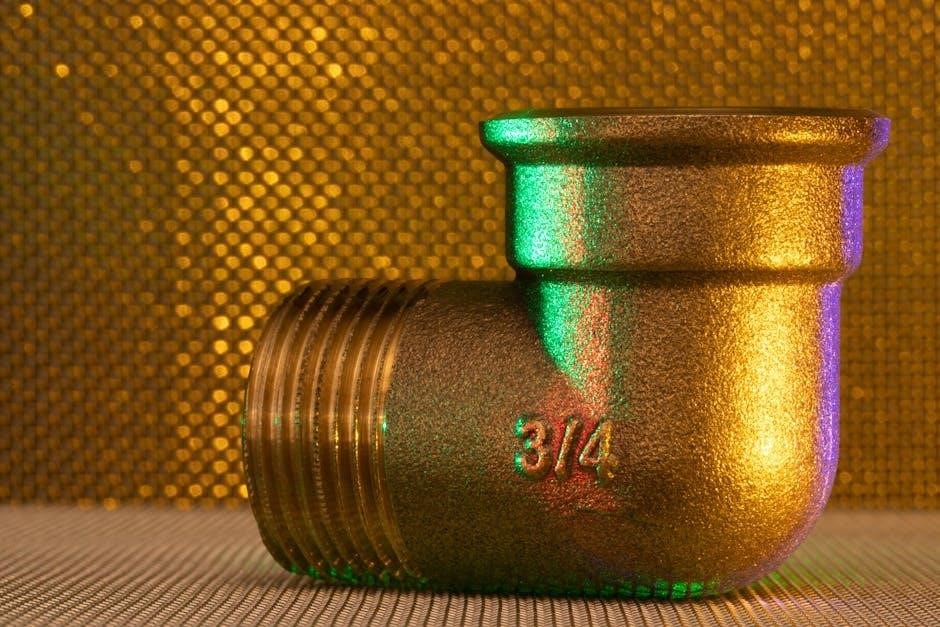
Flush fittings‚ comprehensively detailed in grease fitting size chart PDFs‚ offer a low-profile solution where minimal protrusion is required. These fittings sit nearly flush with the surface‚ reducing the risk of damage in exposed locations. Dimensional data‚ often presented in inches‚ specifies thread size – commonly 1/8” tapered – and head diameter.
PDFs highlight the importance of accurate measurement for a secure fit. Correct installation‚ guided by the chart‚ prevents leaks and ensures reliable lubrication of machinery components‚ extending their operational lifespan.
Grease Fitting Thread Standards
Grease fitting size chart PDFs meticulously detail crucial thread standards for compatibility. NPT (National Pipe Thread)‚ in 1/8” and 1/4” sizes‚ is prevalent‚ while NPTF (National Pipe Tapered Fuel) offers a tighter seal. Increasingly‚ metric threads like M6‚ M8‚ and M10 are featured;
Understanding these standards‚ as outlined in the charts‚ is vital for proper selection and prevents cross-threading. Accurate thread identification‚ aided by PDF resources‚ ensures optimal lubrication system performance.
NPT (National Pipe Thread) – 1/8″ and 1/4″
Grease fitting size chart PDFs commonly showcase NPT threads in both 1/8” and 1/4” diameters. These are widely used due to their availability and compatibility with standard tooling. Charts detail dimensions crucial for proper fit‚ ensuring a leak-proof connection.
1/8” NPT fittings are often found in smaller applications‚ while 1/4” NPT handles higher flow rates. PDF guides emphasize the importance of using thread sealant for optimal performance and preventing contamination.
NPTF (National Pipe Tapered Fuel)

Grease fitting size chart PDFs also frequently include specifications for NPTF threads‚ a tapered thread form designed for fuel and fluid systems. Unlike standard NPT‚ NPTF relies on a tighter mechanical seal‚ often eliminating the need for thread sealant.
PDF resources highlight that NPTF fittings are generally stronger and more resistant to vibration. Charts detail precise thread angles and dimensions‚ crucial for interchangeability and preventing leaks in critical applications.
Metric Threads (M6‚ M8‚ M10)
Grease fitting size chart PDFs increasingly incorporate metric thread specifications‚ such as M6‚ M8‚ and M10‚ reflecting globalization in manufacturing. These charts provide detailed dimensions‚ including thread pitch and major diameter‚ essential for compatibility.
PDF guides emphasize the importance of accurate metric conversions when replacing imperial fittings. Detailed tables illustrate the correlation between metric sizes and their approximate imperial equivalents‚ aiding technicians in selecting the correct grease fitting.
Grease Fitting Size Charts – Detailed Measurements
Grease fitting size chart PDFs are invaluable resources‚ presenting precise dimensions for various fitting types. These charts meticulously detail measurements for 1/8″ and 1/4″ pipe threads‚ alongside 1/4-28 taper threads‚ crucial for proper selection.
PDFs often include comprehensive tables outlining specifications like thread length‚ head diameter‚ and overall fitting length. Accurate measurements ensure compatibility and prevent issues like cross-threading‚ maximizing lubrication system efficiency and longevity.
1/8″ Pipe Thread Grease Fittings – Dimensions & Specifications
1/8″ pipe thread grease fittings‚ detailed in comprehensive PDF charts‚ typically feature a thread length around 0.25 inches. Head diameters vary‚ commonly ranging from 0.375 to 0.5 inches‚ depending on the fitting style – straight or 90-degree.
These charts specify overall fitting lengths‚ crucial for clearance considerations. Material impacts dimensions; brass fittings may differ slightly from steel counterparts. Precise specifications ensure proper engagement and prevent leaks within lubrication systems.
1/4″ Pipe Thread Grease Fittings – Dimensions & Specifications
1/4″ pipe thread grease fittings‚ as detailed in PDF guides‚ generally exhibit a thread length of approximately 0.375 inches. Head diameters typically range from 0.5 to 0.625 inches‚ influenced by the fitting’s angle – straight or 90-degree configurations.
Charts outline overall lengths‚ vital for avoiding interference. Material composition affects dimensions; steel fittings may have slight variations compared to brass. Accurate specifications guarantee secure connections and prevent lubricant loss within machinery.
1/4-28 Taper Thread Grease Fittings – Dimensions & Specifications
1/4-28 taper thread fittings‚ documented in comprehensive PDF guides‚ feature a thread angle of 6 degrees‚ ensuring a tight seal. Major diameter measures approximately 0.25 inches‚ while the minor diameter is around 0.21 inches. Lengths vary‚ typically ranging from 0.4 to 0.6 inches.
These specifications are crucial for applications demanding leak-proof lubrication. Charts detail precise dimensions for optimal performance‚ considering material – brass or steel – which can subtly alter measurements.
Materials Used in Grease Fittings
Grease fittings are commonly manufactured from brass‚ steel‚ and stainless steel‚ each offering distinct advantages. Brass provides excellent corrosion resistance and machinability‚ ideal for general applications. Steel offers high strength and durability‚ suitable for demanding environments.
Stainless steel delivers superior corrosion resistance‚ crucial in harsh conditions. PDF guides detail material specifications‚ impacting pressure ratings and longevity. Selecting the appropriate material ensures optimal performance and prevents premature failure.
Brass Grease Fittings
Brass grease fittings are widely utilized due to their excellent machinability and inherent corrosion resistance‚ making them suitable for numerous lubrication applications. PDF charts often detail specific dimensions for 1/8 and 1/4-inch brass fittings‚ aiding in precise selection.
These fittings are frequently found in feed lines and offer a cost-effective solution. They typically feature a brass body and nut‚ providing reliable performance. However‚ pressure limitations should be considered when choosing brass components.
Steel Grease Fittings
Steel grease fittings‚ often featuring a steel body with a brass nut‚ are commonly specified for applications demanding higher strength and durability compared to brass alternatives. PDF guides frequently showcase detailed dimensions for various steel fitting sizes‚ including 1/8 and 1/4 inch options.
These fittings excel in demanding environments and are ideal for feed lines. Charts specify working pressures‚ crucial for safe operation. Selecting the correct steel grade is vital for optimal performance and longevity.
Stainless Steel Grease Fittings
Stainless steel grease fittings represent a premium choice‚ offering exceptional corrosion resistance and durability‚ particularly in harsh environments. PDF documentation details precise dimensions for various sizes‚ including those with 1/8 and 1/4 inch threads‚ alongside taper options.
These fittings are often preferred in food processing‚ marine‚ and chemical applications. Charts outline working pressure ratings‚ essential for safety. Selecting the appropriate stainless steel grade ensures longevity and reliable performance.
Identifying Grease Fitting Threads
Accurate thread identification is paramount for proper grease fitting selection‚ preventing damage and ensuring effective lubrication. PDF guides detail methods like utilizing thread gauges for precise measurement of NPT‚ NPTF‚ and metric threads (M6‚ M8‚ M10).
Visual inspection‚ while less precise‚ can offer initial clues. Charts within these resources illustrate thread forms‚ aiding quick identification. Correctly identifying threads guarantees compatibility and optimal performance.
Using Thread Gauges
Thread gauges provide the most accurate method for identifying grease fitting threads‚ crucial for selecting the correct replacement or ensuring compatibility. PDF guides emphasize using both go and no-go gauges to verify thread pitch and form.
These gauges definitively confirm if a fitting is NPT‚ NPTF‚ or a metric size like M6 or M8. Proper gauge usage‚ detailed in comprehensive charts‚ prevents costly errors and ensures a secure‚ leak-proof connection.
Visual Inspection Techniques
Visual inspection‚ while less precise than using thread gauges‚ can offer a preliminary identification of grease fitting threads. PDF resources highlight observing the thread angle – NPT threads have a 60-degree angle‚ while NPTF have a slightly different form.
Carefully examining the thread’s taper and comparing it to charts can suggest the size. However‚ relying solely on visual cues is discouraged; always confirm with a gauge for accurate sizing and prevent cross-threading issues.
Grease Fitting Installation Best Practices
Proper installation is vital for longevity and performance‚ referencing PDF guides for correct tooling. Utilize a grease gun with a compatible coupler‚ ensuring a secure fit onto the fitting head.
Avoid cross-threading by starting the fitting straight and turning it gently. Charts detailing dimensions help confirm correct engagement. Tighten to the manufacturer’s specifications – over-tightening can damage the fitting or receiving threads‚ leading to leaks and failures.
Proper Tooling for Installation
Selecting the right tools‚ guided by PDF resources‚ ensures successful grease fitting installation. A high-quality grease gun‚ compatible with the fitting’s thread type‚ is essential. Couplers must securely attach to the fitting head without damage.
Thread gauges‚ referenced in charts‚ verify correct sizing before installation. Wrenches appropriate for the fitting’s material (brass‚ steel‚ stainless steel) prevent rounding or damage. Proper tooling minimizes the risk of cross-threading and ensures a leak-proof seal.
Avoiding Cross-Threading
Cross-threading‚ a common issue‚ is preventable with careful attention and referencing PDF guides. Start the fitting by hand‚ ensuring it aligns perfectly with the threads in the housing. Avoid forcing the fitting; resistance indicates misalignment.
Thread identification‚ detailed in charts‚ confirms compatibility. Use a lubricant specifically designed for threaded connections to ease installation and reduce friction. Regularly inspect threads for damage before installation‚ preventing future failures.
Working Pressure Considerations
PDF resources detailing grease fitting specifications often include crucial pressure ratings for various materials – brass‚ steel‚ and stainless steel. Selecting the correct fitting for the application’s pressure is paramount for safety and longevity.
High-pressure systems demand fittings specifically designed to withstand the increased force‚ as outlined in comprehensive guides. Ignoring these ratings can lead to fitting failure‚ lubricant leaks‚ and potential equipment damage‚ necessitating careful consideration.
Pressure Ratings for Different Fitting Materials
PDF charts and guides meticulously detail pressure capabilities based on fitting material. Brass fittings generally exhibit lower pressure tolerances compared to steel or stainless steel counterparts.

Stainless steel offers superior strength‚ accommodating higher pressures in demanding applications. Accurate PDF documentation specifies maximum working pressure for each material and size‚ ensuring safe and reliable operation. Ignoring these limits risks fitting failure and potential system compromise.
Selecting Fittings for High-Pressure Applications
PDF guides emphasize choosing fittings specifically rated for the system’s maximum operating pressure. Stainless steel fittings are generally preferred for high-pressure scenarios due to their robust construction and superior strength.
Carefully review PDF specifications to confirm compatibility and avoid exceeding pressure limits. Utilizing appropriately sized and rated fittings is crucial for preventing leaks‚ failures‚ and ensuring long-term reliability in demanding industrial environments.
Grease Fitting Accessories & Components
PDF documentation details essential accessories like dust caps and plugs‚ protecting fittings from contamination and preserving grease integrity. Specialized grease hoses and couplers facilitate efficient lubrication‚ connecting to existing hydraulic (grease) fittings.
These components‚ often detailed in accessory tables within PDF catalogs‚ ensure proper system functionality. Selecting compatible accessories is vital for maintaining optimal lubrication and preventing premature wear‚ extending equipment lifespan.
Dust Caps & Plugs
PDF guides emphasize the critical role of dust caps and plugs in safeguarding grease fittings against environmental contaminants like dirt‚ moisture‚ and debris. These protective components‚ often constructed from materials like plastic or metal‚ prevent grease leakage and maintain lubrication system cleanliness.
Properly fitted caps extend fitting life and ensure reliable operation. PDF resources often include sizing charts to match caps to specific fitting types‚ ensuring a secure and effective seal‚ preventing costly repairs.
Grease Hose & Couplers
PDF documentation highlights the importance of compatible grease hoses and couplers for efficient lubrication. These components connect grease guns to fittings‚ delivering lubricant under pressure. PDF charts detail coupler jaw types – screw-on‚ spring-loaded‚ and check-valve – each suited for different applications.
Hose specifications‚ including pressure ratings and length‚ are crucial for safe operation. Selecting the correct coupler ensures a secure connection‚ preventing grease loss and maintaining system integrity‚ as detailed in comprehensive PDF guides.

Troubleshooting Common Grease Fitting Issues
PDF guides frequently address common problems like leaking fittings‚ often caused by damaged threads or incorrect installation. Another frequent issue is blocked fittings‚ stemming from dirt or hardened grease. PDF resources emphasize regular inspection and cleaning to prevent these failures.
Troubleshooting steps detailed in these charts include verifying fitting size compatibility and ensuring proper tool usage. Corrective actions‚ like thread sealant application or fitting replacement‚ are also outlined‚ maximizing equipment lifespan and performance.
Leaking Fittings
PDF guides pinpoint leaking fittings as a prevalent issue‚ often resulting from compromised threads or improper installation techniques. Detailed charts highlight the importance of selecting the correct grease fitting size to ensure a secure seal. Damaged fittings‚ identified through visual inspection‚ necessitate immediate replacement.
Resources suggest applying appropriate thread sealant during installation to prevent leaks. PDF documents also emphasize the need for proper tooling to avoid thread damage‚ ultimately extending the lifespan of lubrication systems and minimizing downtime.
Blocked Fittings
PDF resources identify blocked fittings as a common lubrication problem‚ hindering grease delivery and potentially causing component failure. Charts emphasize selecting fittings compatible with the grease type to prevent solidification within the passages. Regular inspection‚ detailed in guides‚ can reveal early signs of blockage.

Troubleshooting PDFs recommend using a grease gun with sufficient pressure to dislodge obstructions. If blockage persists‚ replacement—guided by size charts—is crucial. Proper maintenance‚ as outlined in technical documentation‚ minimizes future blockages.
Grease Fitting Dimensional Data – Flush Fittings
PDF documents‚ like those from DYNA-POWER LUBRICATION‚ provide precise dimensional data for flush fittings‚ typically expressed in inches. These charts detail critical measurements for proper installation and compatibility. Understanding these specifications—found within comprehensive grease fitting size chart PDFs—is vital for avoiding leaks and ensuring effective lubrication.
Guides emphasize that all dimensions are generally stated in inches unless otherwise noted. Detailed PDFs offer a complete reference for engineers and technicians needing accurate flush fitting data for various applications.

Resources for Grease Fitting Information (PDFs & Charts)
Numerous PDFs and charts are readily available online‚ offering comprehensive grease fitting size chart information. Manufacturers like DYNA-POWER LUBRICATION provide detailed dimensional data in downloadable formats. These resources are invaluable for identifying fitting types‚ sizes‚ and thread specifications.
A-Z guides and manufactured goods documentation‚ often in PDF form‚ detail fitting functions and thread identification. Mechanical engineering resources present tables with precise measurements‚ ensuring correct component selection for optimal performance and reliability.

Applications of Different Grease Fitting Sizes
Grease fitting size charts are critical across diverse sectors. In automotive applications‚ precise sizing ensures effective lubrication of chassis components and steering systems. Industrial machinery demands accurate fitting selection for bearings‚ gears‚ and other moving parts‚ preventing costly failures.
Understanding thread standards – NPT‚ NPTF‚ and metric – is vital for compatibility. Correct sizing minimizes leakage and maximizes lubrication efficiency‚ extending equipment lifespan and reducing maintenance downtime across all applications.
Automotive Applications
Grease fitting size charts are essential for maintaining vehicle components. Automotive systems‚ including chassis lubrication points and steering mechanisms‚ require precise fitting selection. Utilizing the correct 1/8” or 1/4” NPT fittings ensures optimal grease delivery‚ preventing wear and tear.
Properly sized fittings contribute to smooth operation and extended lifespan of critical parts. Ignoring size specifications can lead to ineffective lubrication‚ potential damage‚ and costly repairs. Accurate charts guarantee compatibility and reliable performance.
Industrial Machinery Applications
Grease fitting size charts are paramount in industrial settings‚ where heavy machinery demands robust lubrication. Applications span from conveyor systems to complex gearboxes‚ necessitating diverse fitting types and sizes – often 1/4” NPT or metric equivalents.
Selecting the correct fitting‚ guided by detailed charts‚ prevents equipment failure and minimizes downtime. Accurate specifications ensure consistent grease flow to bearings and moving parts‚ extending machinery lifespan and optimizing performance. Proper sizing is critical for safety and efficiency.
Future Trends in Grease Fitting Technology
Grease fitting technology is evolving‚ with a shift towards smart lubrication systems integrating sensors and data analytics. While size charts remain fundamental‚ expect increased adoption of self-lubricating fittings and automated grease delivery systems.
Digital integration will allow for remote monitoring of lubrication needs‚ optimizing maintenance schedules and reducing waste. Materials science advancements may yield fittings with enhanced durability and resistance to harsh environments‚ extending service life and improving reliability.