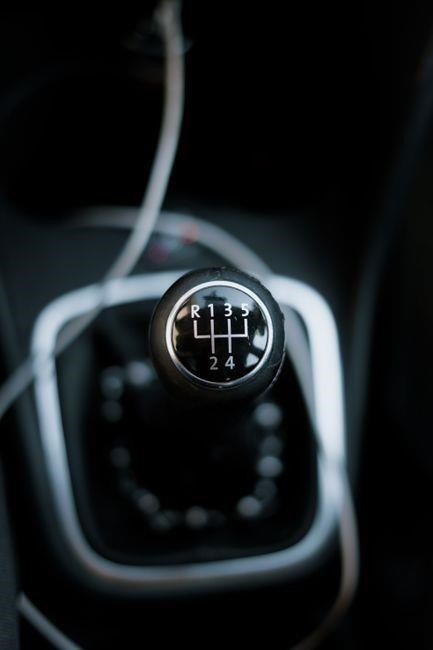
bad manual transmission symptoms
Common Symptoms of a Faulty Manual Transmission
Signs of a failing manual transmission include delayed or hesitant shifts‚ gear slipping under acceleration‚ odd engine noises during gear changes‚ a burning odor from the unit‚ and fluid leaks or low levels. Immediate inspection is advised today

Delayed or Hesitant Shifts
When a manual gearbox begins to lag‚ the driver may notice a noticeable delay between the moment the gear lever is moved and the actual engagement of the gear. This hesitation often manifests as a second or two of waiting before the “click” that signals a successful shift occurs. This lag is a clear warning that the transmission is no longer shifting smoothly. In many cases‚ the root cause is damage to the internal gears or one or more of the bearings that support them. AAMCO’s diagnostic guidelines point out that a buzzing or rattling noise during the shift can also indicate a worn or damaged seal‚ which may lead to fluid loss and further wear. Additionally‚ the presence of a burning odor or a sudden rise in transmission temperature can accompany delayed shifts‚ suggesting that the clutch or synchronizer rings are struggling to mesh properly. Modern vehicles often use a cable to link the shifter lever to the transmission; wear or fraying of this cable can also produce a hesitant feel. Prompt inspection and fluid replacement are recommended to prevent more serious damage. Drivers often report a noticeable hesitation that can feel like a brief pause before the gear engages‚ which may worsen as the vehicle accelerates rapidly
Gear Slipping During Acceleration
When a manual transmission slips‚ the engine revs rise while the vehicle’s speed remains unchanged‚ indicating that the gearset is not holding the load. Drivers often describe a sudden loss of power‚ a “shudder” as the clutch disengages‚ or the sensation that the car is “stuck” in a lower gear. This symptom can arise from worn synchronizer rings‚ damaged gear teeth‚ or a worn clutch that fails to maintain firm engagement. A common diagnostic cue is the presence of a burning smell or a noticeable increase in transmission temperature‚ which may accompany the slipping. Inspecting the clutch cable for fraying or a broken spring can also reveal the root cause‚ as many modern vehicles rely on a cable to transmit shift input. If the transmission fluid is low or contaminated‚ the lubricating properties are compromised‚ leading to increased friction and eventual slipping. Immediate fluid replacement and a thorough inspection of the clutch assembly are recommended to prevent further damage. The slipping may become more pronounced during rapid acceleration or when climbing a hill‚ and the driver may notice a “clunk” or a sudden drop in gear engagement before the vehicle accelerates normally. Early detection through regular maintenance can avoid costly repairs or a complete transmission rebuild!
Unusual Engine Noises While Shifting
When a manual transmission is deteriorating‚ the engine may emit a variety of abnormal sounds during gear changes. A persistent buzzing or rattling tone often signals that a gear tooth or bearing has worn‚ while a sharp clunk can indicate a broken synchronizer ring. Drivers may also notice a low‚ humming vibration that rises in pitch as the vehicle accelerates‚ typically caused by a misaligned gear train or a damaged seal that allows fluid to escape under pressure. A high‑pitched whine that intensifies when shifting into a higher gear can warn of a frayed shift cable or an out‑of‑alignment shift lever. If the engine produces a metallic clatter that grows louder as the clutch engages‚ this suggests the clutch disc is slipping or the pressure plate is warped. A burning odor that follows the noise often points to overheating of the transmission‚ usually due to low fluid levels or contaminated fluid. Regular inspection of the clutch cable‚ shift linkage‚ and transmission fluid can catch these symptoms early‚ preventing more extensive damage and costly repairs. Moreover‚ if the noise is accompanied by a sudden drop in engine torque‚ it may indicate that the transmission’s internal bearings are failing‚ which can lead to catastrophic gear failure if not addressed promptly.
Burning Smell from the Transmission
An unmistakable burning odor emanating from the transmission area is a red flag that the internal components are overheating. Common culprits include low or contaminated transmission fluid‚ which reduces lubrication and causes metal parts to grind‚ producing a distinct burnt smell. A clogged transmission filter can also restrict fluid flow‚ leading to heat buildup. Additionally‚ a failing clutch or worn synchronizer rings can cause friction that generates heat‚ manifesting as a lingering acrid scent. If the smell intensifies during acceleration or when the clutch is engaged‚ it often points to a slipping clutch disc or a warped pressure plate. In severe cases‚ the transmission housing may develop a crack‚ allowing fluid to leak onto hot engine components‚ creating a more pronounced burning aroma. Prompt inspection of fluid levels‚ filter condition‚ and clutch engagement is essential; ignoring the odor can result in catastrophic gear failure or complete transmission loss. Regular maintenance‚ such as fluid changes every 30‚000 miles and timely filter replacement‚ helps mitigate overheating risks and preserves drivetrain longevity.XXXXXXXXXXXXXXXXXXXXXXXXXXXXXXXXXXXXXXXXXXXXXXXXXXXXXXXXXXXXXXXXXXXXXXXXXXXXXXXXXXXXXXXXXXXXXXXXXXXX
Transmission Fluid Leaks or Low Fluid Levels
Transmission fluid leaks or low fluid levels are classic indicators of a deteriorating manual gearbox. A visible puddle beneath the vehicle‚ especially after a drive‚ signals that seals‚ gaskets‚ or the drain plug are compromised. Low fluid can also be detected by a dipstick reading that falls below the minimum line‚ often accompanied by a metallic clank when shifting due to insufficient lubrication. The loss of fluid not only reduces hydraulic pressure but also accelerates wear on synchronizers and gear teeth‚ leading to harsh shifts and eventual failure. Common sources of leaks include the input shaft seal‚ output shaft seal‚ and the rear main seal‚ each of which can develop cracks or become loose over time. A leaking fluid line or a cracked hose can also cause intermittent loss‚ especially when the vehicle is in motion. If fluid levels drop‚ the transmission may attempt to compensate by over‑engaging the clutch‚ which can result in a burning smell‚ as the clutch disc and pressure plate work harder to maintain gear engagement. To diagnose‚ inspect the fluid reservoir for signs of seepage‚ check the seals around the transmission pan‚ and verify that the fluid is at the correct viscosity and color. Regular maintenance—changing fluid every 30‚000 miles and replacing seals as recommended—helps prevent issues.
Transmission Fluid Color and Clarity Changes
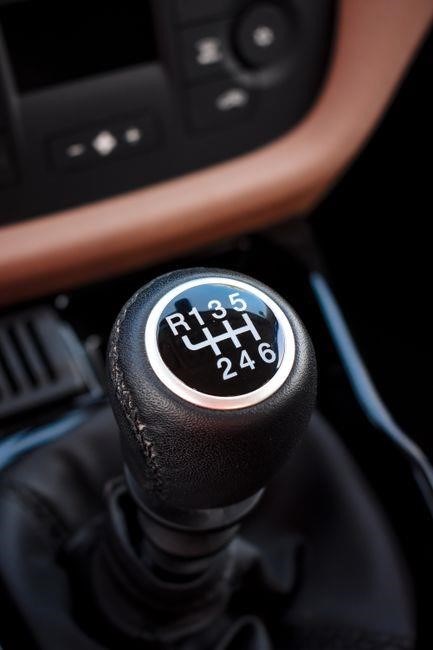
Transmission fluid that appears darker‚ cloudy‚ or contains metallic flecks is a red flag for internal wear or contamination. Fresh manual‑gear fluid should be a clear‚ reddish‑orange hue; any shift toward brown or black indicates oxidation‚ metal shavings‚ or burnt oil. A milky or opaque appearance often signals water ingress‚ which can cause corrosion of gear teeth and seals. When the fluid’s viscosity changes—becoming thicker or syrupy—shifts may become sluggish or erratic‚ as the hydraulic system can no longer deliver the required pressure. Conversely‚ a thin‚ almost clear fluid may suggest that the transmission has been over‑filled or that the additive package has degraded‚ reducing its protective qualities. Regular visual checks at the dipstick or reservoir cover are essential; a sudden change in color or clarity warrants an immediate fluid replacement or a full diagnostic to locate leaks‚ worn bearings‚ or damaged synchronizers. Ignoring these signs can accelerate gear wear‚ leading to costly rebuilds or replacements. Maintaining the correct fluid level and quality is therefore a cornerstone of manual‑transmission longevity. In many modern vehicles‚ the transmission control module monitors fluid temperature and pressure; a sudden rise in temperature can also alter the fluid’s appearance‚ turning it from a bright orange to a dull gray. Technicians often use a color chart to compare the sample against factory specifications. If the fluid shows a greenish tint‚ it may have been contaminated with coolant‚ which can lead to catastrophic failure. Additionally‚ the presence of a strong burnt odor coupled with a dark fluid is a clear sign that the transmission has overheated and the internal components are likely damaged. Prompt action—either a fluid flush or a complete rebuild—can prevent further damage and restore smooth shifting.
Excessive Vibration or Rough Shifting
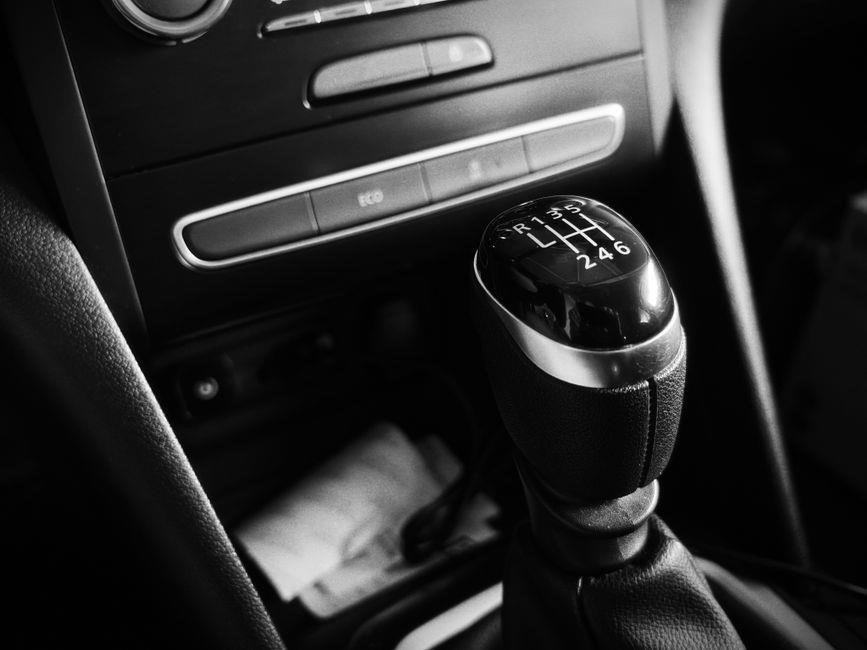
Excessive vibration or rough shifting in a manual transmission often signals underlying mechanical issues. A common culprit is worn or damaged synchronizers‚ which prevent smooth engagement between gears‚ producing a noticeable shake or jerky motion during gear changes. Similarly‚ a misaligned gear linkage or a bent shift shaft can cause uneven force distribution‚ leading to vibration that is felt throughout the vehicle’s chassis. Low or contaminated transmission fluid also contributes; inadequate lubrication increases friction between moving parts‚ creating a rough‚ humming noise and a vibrating sensation when the driver shifts. Overheating can degrade the fluid’s viscosity‚ further exacerbating vibration. A damaged torque converter or a failing clutch release bearing may transmit excessive vibration through the drivetrain‚ especially during acceleration or deceleration. Internal gear wear or a damaged bearing can produce a metallic clunk or a deep rumble that intensifies as the vehicle speeds up. Prompt inspection and corrective action—such as fluid replacement‚ bearing repair‚ or gear rebuild—can restore smooth operation and prevent further damage. Additionally‚ a worn clutch release bearing can cause a whine that escalates during gear changes severe wear.
Clutch Wear and Engagement Issues
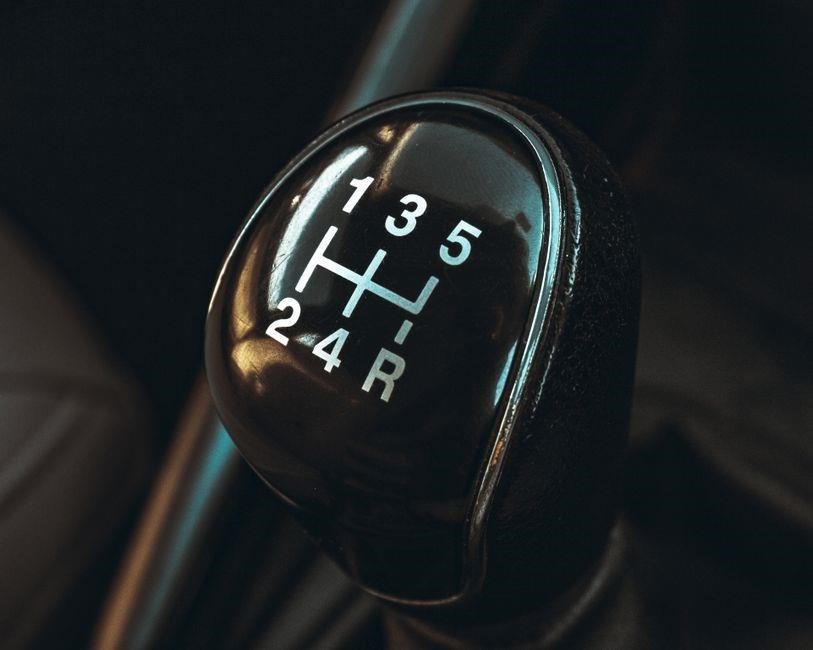
Clutch wear manifests as a soft pedal‚ delayed engagement‚ or a slipping sensation when the vehicle is in gear. A worn clutch disc or pressure plate can cause the pedal to feel mushy‚ making it difficult to maintain a steady speed without the engine revving. When the clutch engages‚ a noticeable click or a sudden surge in engine noise may occur‚ indicating that the friction material is worn beyond acceptable limits. Additionally‚ a high‑temperature clutch can produce a burning smell and a rough shift feel‚ especially during repeated gear changes. A damaged release bearing will generate a whining noise that intensifies as the clutch engages‚ often accompanied by vibration through the pedal. If the clutch cable is stretched or the hydraulic system is compromised‚ the engagement point may shift‚ leading to a misaligned gear ratio and inconsistent power delivery. Monitoring the clutch pedal travel and listening for abnormal sounds during low‑speed maneuvers can help diagnose these issues early. Regular inspection and timely replacement of worn components are essential to prevent complete clutch failure and to maintain smooth gear transitions in a manual transmission vehicle Regular clutch checks can save costly repairs and extend vehicle life. Keep it checked.
Diagnostic Tools and Techniques
Use a transmission fluid tester‚ scan for OBD‑II codes‚ inspect for leaks‚ and perform a compression test on gear bearings. These steps reveal fluid quality‚ electronic faults‚ and mechanical wear. 2026!
Using a Transmission Fluid Tester
When diagnosing a bad manual transmission‚ a fluid tester is the first line of inquiry. The tester measures pressure‚ temperature‚ and flow‚ revealing hidden wear or seal failure. Begin by filling the tank with fresh‚ manufacturer‑specified fluid. Connect the tester to the dipstick tube‚ ensuring a tight seal to avoid air leaks. Turn the ignition on and let the engine idle; the tester will display baseline pressure. A reading below the manufacturer’s minimum indicates a leak or worn bearings‚ while a reading above the maximum suggests a blocked valve or over‑filled system. Next‚ shift through all gears while monitoring the display; a sudden drop in pressure during a shift points to a slipping clutch or worn gear teeth. Temperature spikes during acceleration can reveal overheating due to friction. Record each reading in a log; compare against factory specifications found in the vehicle’s service manual. If the tester shows abnormal values‚ inspect the fluid color and clarity—burnt or milky fluid confirms internal damage. Finally‚ replace or repair any faulty components before re‑testing to confirm resolution. This systematic approach ensures accurate diagnosis and prevents costly repairs. Check fluid color for rust or sludge if present
Checking for Error Codes with OBD‑II
To detect hidden faults in a bad manual transmission‚ an OBD‑II scan is essential. Connect a compatible reader to the vehicle’s diagnostic port‚ usually under the dash‚ and power the system. Request all stored codes; a transmission fault often returns P0700‑P0715 series codes‚ flagging shift solenoid or torque converter issues. Pay special attention to P0730 (gear ratio mismatch) or P0740 (torque converter clutch) for immediate clues. After clearing codes‚ re‑run a full shift cycle while monitoring live data for shift timing‚ pressure‚ and RPM spikes. A lag between throttle input and gear engagement in the live data indicates hesitation or a mechanical problem. Record anomalous values and compare them to manufacturer specs in the service manual to pinpoint the root cause. Always use a certified OBD‑II tool and consult the vehicle’s repair guide for accurate diagnostics and steps. Inspect fluid level and condition before scanning; low or contaminated fluid can trigger erroneous codes. After any repair‚ perform a post‑service scan to confirm all codes have cleared and the transmission operates within expected parameters. This routine prevents failures!!!!!
Inspecting Physical Signs of Wear
Inspection of a bad manual transmission focuses on visible wear that signals impending failure. Begin by lifting the vehicle with a jack and securing it on jack stands. Remove the transmission cover to expose the gear case. Look for metal shavings‚ a gritty texture‚ or a buildup of sludge that indicates bearing wear or gear tooth damage. Check the input shaft for a smooth rotation; a wobble or uneven motion suggests a damaged bearing or a bent shaft. Inspect the shift linkage and cables for fraying‚ corrosion‚ or misalignment; a loose cable can cause delayed or hesitant shifts. Examine the clutch assembly for a worn pressure plate or a warped flywheel‚ which can lead to slipping during acceleration. Look for any fluid leaks around the bell housing or pan gasket; a low fluid level can trigger a P0700 code. Finally‚ verify that the transmission pan gasket is intact and that the pan bolts are torqued to spec. Document all findings with photos for comparison after repair. A thorough visual inspection combined with a fluid test will confirm whether the transmission requires rebuilding or replacement. Moreover‚ a cracked bell housing or a warped input shaft can accelerate wear‚ so inspect these components closely before proceeding with fluid changes or further diagnostics.diagnostics.Thanks.
Performing a Compression Test on Gear Bearings

When diagnosing a bad manual transmission‚ a compression test on gear bearings is a critical diagnostic step. The procedure begins by disconnecting the input shaft to isolate the gear train. A calibrated compression gauge is then fitted to the gear housing‚ and the clutch is engaged to lock the input shaft. The test involves spinning the gear housing by hand while the gauge reads the pressure generated. A healthy bearing should produce a steady‚ high‑pressure reading that remains consistent across multiple cycles. A drop in pressure or a fluctuating reading indicates a worn bearing‚ internal damage‚ or misalignment. It is essential to perform the test at the same temperature as the vehicle’s operating conditions as thermal expansion can affect readings. Record the values for each gear; significant variations between gears often point to specific bearing failure. Compare the results to manufacturer specifications found in the service manual. If the compression falls below the recommended threshold‚ the bearing likely needs replacement or the entire transmission may require a rebuild. This test is non‑invasive‚ cost‑effective‚ and provides a clear indicator of internal wear that other symptoms may not reveal.
Maintenance and Repair Considerations
Keep fluid fresh‚ check cables‚ and rebuild when needed. Inspect seals for leaks‚ test clutch‚ and consult manuals for torque specs. A proper log extends life and cuts repair costs. and avoid breakdowns.
Importance of Regular Fluid Changes
Regular fluid changes are the cornerstone of a healthy manual transmission. Fresh fluid lubricates gears‚ reduces friction‚ and flushes out metal particles that accumulate during normal operation. When fluid degrades‚ it loses viscosity‚ leading to increased wear and the onset of symptoms such as delayed shifts‚ gear slipping‚ and burning odors. A routine change every 30‚000 miles—or sooner if the vehicle is frequently used in heavy traffic or towing—helps maintain optimal pressure and temperature control. Inspect the fluid’s color and clarity; a dark‚ gritty appearance signals contamination and warrants immediate replacement. Keep a log of each change; this record assists mechanics in diagnosing long‑term issues and ensures that the transmission stays within manufacturer specifications; By adhering to a strict fluid schedule‚ you can prevent costly repairs‚ extend the life of clutch components‚ and avoid the dreaded “slip‑and‑clank” scenario that plagues many drivers. Remember‚ the best protection comes from proactive maintenance‚ and the right manuals provide the exact torque settings and intervals for your specific model. Consistent fluid changes reduce clutch wear and boost drivetrain longevity for all use now!!.
When to Replace Transmission Cables
Transmission cables are the invisible link between the gear shifter and the gearbox. Over time‚ cable wear‚ fraying‚ or corrosion can introduce slack‚ causing delayed or hesitant shifts‚ gear slipping‚ or even a complete loss of gear engagement. Signs that a cable needs replacement include a noticeable shift lag‚ a “click” that no longer feels crisp‚ or a visible rusted or frayed cable sheath. If the shifter feels loose or the gear lever moves without proper resistance‚ the cable is likely stretched or broken. Additionally‚ if the vehicle’s manual transmission fluid shows contamination or a burnt smell‚ the cable may have been compromised by fluid leakage. Regular inspection—every 20‚000 to 30‚000 miles—helps catch these issues early. Replacing the cable restores precise gear selection‚ eliminates unwanted vibration‚ and prevents further damage to the clutch and gear bearings. Always consult the vehicle’s service manual for the correct cable type‚ torque specifications‚ and installation procedure to ensure a reliable‚ long‑lasting repair. Prompt cable replacement can save thousands in future repairs and keep the driving experience smooth and responsive. Cable checks prevent costly failures.
Guidelines for Rebuilding or Replacing the Transmission
Rebuilding or replacing a manual transmission is a critical decision that hinges on symptoms such as delayed shifts‚ gear slipping‚ and burning odors. First‚ assess fluid condition: a dark‚ gritty mixture indicates internal wear. If the fluid is clean but the gearbox still misbehaves‚ inspect the clutch‚ synchro rings‚ and gear bearings for wear. A rebuild typically involves disassembly‚ cleaning‚ inspecting each component‚ and replacing worn parts—synchros‚ bearings‚ and seals—while keeping the housing intact. Replacements require new gear sets‚ a new clutch assembly‚ and fresh hydraulic fluid. When the wear exceeds 20–30 % on bearings or synchros‚ a rebuild is recommended; if the housing is cracked or the gear teeth are severely damaged‚ a full replacement is the safer route; Follow the manufacturer’s torque specs and use a calibrated torque wrench to avoid over‑tightening. After reassembly‚ perform a test drive to verify smooth engagement and correct gear ratios. Document all steps and keep a record of replaced parts for future reference. This systematic approach ensures reliability and extends the transmission’s service life. If the transmission has a sealed housing‚ a rebuild may not be possible; in such cases‚ a replacement is mandatory. Additionally‚ consider the cost of a rebuild versus a new unit—often a rebuild can save 30–50 % of the replacement cost‚ but the long‑term durability depends on the quality of parts and workmanship. Professional service centers often provide a warranty on rebuilds‚ giving owners peace of mind. Owners should also verify shift linkages are adjusted now.
Role of manuals in Troubleshooting and Repair
When diagnosing a bad manual transmission‚ the first resource is the vehicle’s service manual. It provides step‑by‑step procedures for checking shift linkages‚ clutch hydraulics‚ and gear engagement. The manual lists torque specifications for each bolt‚ the correct fluid type‚ and the sequence for disassembly. By following the prescribed order‚ technicians avoid cross‑contamination of bearings and ensure that synchros are re‑lubricated with the proper additive. Manuals also contain diagnostic flowcharts that correlate symptoms—such as delayed shifts or gear slipping—with specific failure points: worn clutch plates‚ damaged synchro rings‚ or a misadjusted shift lever. Using the manual’s troubleshooting matrix‚ a mechanic can isolate the problem with fewer test drives‚ saving time and reducing wear on the transmission; Additionally‚ the manual’s rebuild guide details the exact replacement parts‚ their part numbers‚ and the required tools‚ which is essential for a successful rebuild. In many cases‚ the manual’s service bulletin section will note known issues with a particular model year‚ alerting the technician to potential hidden defects. Therefore‚ a comprehensive manual is indispensable for accurate diagnosis‚ efficient repair‚ and ensuring the longevity of the transmission. Furthermore‚ the manual often includes a table of gear ratios and shift points‚ allowing the technician to verify that the transmission is shifting within spec. It also provides a list of common pitfalls‚ such as over‑tightening the clutch release bearing‚ which can lead to premature failure. By adhering to the manual’s guidelines‚ the repair process becomes standardized‚ reducing the risk of human error. Finally‚ the manual’s warranty information clarifies the coverage period for rebuilt components‚ giving both the technician and the owner peace of mind.