rosemount 8732e manual
Rosemount 8732E Pressure Transmitter: A Comprehensive Guide
This guide details the Rosemount 8732E, offering insights into its operation, configuration, and troubleshooting—a vital resource for optimal performance․
The Rosemount 8732E Pressure Transmitter is a highly versatile and reliable device designed for demanding industrial applications․ It’s renowned for its accuracy, stability, and robust construction, making it a preferred choice across numerous sectors․ This transmitter utilizes proven resonant wire technology to deliver exceptional performance in challenging conditions, including extreme temperatures and pressures․
Specifically engineered for differential pressure, gauge pressure, and static pressure measurements, the 8732E provides critical data for process control and monitoring․ Its advanced diagnostics and ease of configuration contribute to reduced maintenance costs and improved operational efficiency․ Understanding its capabilities, as detailed in the official documentation, is crucial for maximizing its potential and ensuring safe, reliable operation within your specific process environment․

Understanding the 8732E’s Key Features
The 8732E boasts exceptional stability, advanced diagnostics, and broad application flexibility, ensuring precise and dependable pressure measurement in diverse processes․
Accuracy and Range Capabilities
The Rosemount 8732E pressure transmitter delivers high accuracy, typically achieving ±0․05% of span, ensuring reliable process control․ Its wide rangeability, spanning from 0 to 100 inches of water column up to 0 to 10,000 psi (0 to 700 bar), accommodates diverse applications․
This versatility makes it suitable for both low and high-pressure measurements․ The transmitter’s accuracy remains stable across a broad temperature range, minimizing drift and enhancing long-term performance․ Furthermore, the 8732E offers various output options, including 4-20 mA, HART 7, and WirelessHART, providing flexibility in integration with existing control systems․ Careful selection of the appropriate range is crucial for optimal accuracy and resolution․
Communication Protocols Supported
The Rosemount 8732E pressure transmitter boasts extensive communication capabilities, facilitating seamless integration into various control architectures․ Primarily, it supports the industry-standard 4-20 mA analog signal for basic process monitoring․ More advanced communication is enabled through HART 7 protocol, allowing for remote configuration, diagnostics, and process variable access․
For wireless applications, the 8732E is available with WirelessHART technology, offering flexibility and reduced installation costs․ These protocols enable interoperability with diverse DCS, PLC, and asset management systems․ Detailed protocol configuration instructions are available within the transmitter’s manual, ensuring proper setup and reliable data transmission․
Installation Procedures
Proper installation ensures accurate readings and longevity․ Carefully follow these steps, referencing the manual for detailed guidance and safety precautions․
Mounting Considerations
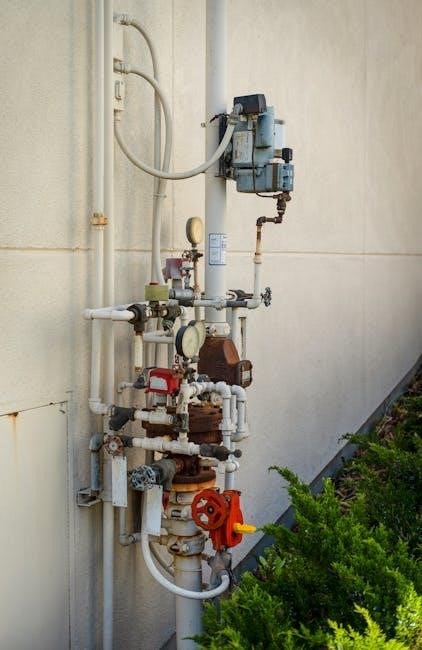
Selecting the correct mounting location is crucial for the Rosemount 8732E’s performance and reliability․ The manual emphasizes avoiding locations with excessive vibration, which can impact accuracy․
Ensure the mounting surface is stable and can support the transmitter’s weight․ Consider process temperature extremes; excessive heat or cold can affect readings․
Proper orientation is also vital – typically, vertical mounting with the diaphragm facing downwards minimizes liquid accumulation․ However, the manual details acceptable alternative orientations․
Accessibility for future maintenance and calibration should be a key factor in site selection․ Allow sufficient space around the transmitter for easy removal and re-installation․
Finally, review the manual’s guidelines regarding proximity to other equipment that may generate electromagnetic interference (EMI)․
Electrical Connections & Wiring
The Rosemount 8732E manual provides detailed wiring diagrams for various configurations, including 4-20 mA, HART, and Foundation Fieldbus․ Always disconnect power before making any electrical connections․
Proper grounding is essential for safety and signal integrity; follow the manual’s grounding recommendations meticulously․ Use appropriately sized wiring and ensure secure terminations to prevent signal loss․
Pay close attention to polarity when connecting power supplies․ Incorrect wiring can damage the transmitter․ The manual specifies acceptable wire gauge ranges for different distances․
When using conduit, ensure it is properly sealed to prevent moisture ingress․ Verify all connections are tight and conform to relevant electrical codes․
Double-check wiring against the provided diagrams before applying power to avoid potential issues․

Configuration and Calibration
The 8732E manual guides users through setup, calibration procedures, and parameter adjustments for precise measurement and optimal performance in applications․
Using the HART Communicator
The Rosemount 8732E pressure transmitter is readily configured and diagnosed using a standard HART communicator․ Connecting the communicator requires accessing the two wires designated for HART communication – typically found on the transmitter’s electrical connection head․
Once connected, the HART device manager software allows full access to the transmitter’s parameters․ You can view process variables, change tag information, adjust range limits, and perform detailed diagnostics․
The manual provides specific device descriptions (DDs) for various HART communicators, ensuring compatibility and optimal functionality․ Remember to save configurations frequently and document any changes made during the configuration process for future reference and troubleshooting․ Proper HART communication is crucial for maximizing the 8732E’s capabilities․
Configuring Low and High Range Limits
Precisely defining the low and high range limits is critical for accurate measurement and process control with the Rosemount 8732E․ These limits, expressed in engineering units, dictate the 4-20mA output signal’s correspondence to the minimum and maximum expected pressures․
Using a HART communicator or FieldCare software, navigate to the ‘Range’ parameters․ Input the desired lower range value (LRV) and upper range value (URV)․ Ensure these values accurately reflect the application’s expected pressure span․
The transmitter automatically linearizes the output between these points․ Incorrect LRV/URV settings will lead to inaccurate readings․ Always verify these settings post-configuration and document them within the system’s configuration records for future maintenance and troubleshooting․
Troubleshooting Common Issues
Effective troubleshooting of the Rosemount 8732E involves systematic diagnosis of signal and communication problems, ensuring reliable process measurement․
Diagnosing Signal Problems
When encountering signal issues with the Rosemount 8732E, begin by verifying power supply integrity and proper grounding․ Examine the process connection for blockages or damage that could impede accurate pressure transmission․ Utilize a multimeter to check loop wiring for continuity and voltage levels, confirming adherence to specified ranges․
Employ a HART communicator to access diagnostic information, including signal quality, loop current, and any error messages․ Analyze the transmitter’s self-test results for internal component failures․ Compare the measured process variable with a known standard to validate accuracy․ Investigate potential sources of interference, such as electromagnetic noise, that might corrupt the signal․ Carefully review configuration settings to ensure they align with the application requirements․
Addressing Communication Failures
Communication failures with the Rosemount 8732E often stem from wiring issues or protocol mismatches․ First, meticulously inspect the communication wiring – ensuring secure connections and correct termination resistors are in place․ Verify compatibility between the transmitter’s communication protocol (HART, Foundation Fieldbus, etc․) and the host system․
Utilize a HART communicator or network analyzer to pinpoint the source of the disruption․ Check for address conflicts if multiple devices share the same network segment․ Confirm that the host system’s communication drivers are up-to-date and properly configured․ Examine the transmitter’s diagnostic logs for error codes related to communication․ If using a wireless network, assess signal strength and potential interference sources․

Advanced Configuration Options
Explore refined settings like damping, filtering, and Pulse Width Modulation (PWM) to optimize the 8732E’s performance for specific application demands․
Damping and Filtering Settings
Damping and filtering are crucial for stabilizing the 8732E’s output signal, minimizing the impact of process fluctuations and noise․ The transmitter offers adjustable damping time, expressed in seconds, which effectively delays the response to changes in measured pressure․ Increasing damping reduces signal jitter but can slow down reaction to genuine process shifts․
Filtering options, typically configured as a moving average, further smooth the signal by averaging readings over a defined period․ Selecting appropriate filter settings requires balancing noise reduction with maintaining responsiveness․ Excessive filtering can mask important process dynamics․ The Rosemount 8732E manual provides detailed guidance on selecting optimal damping and filtering values based on application requirements and process characteristics, ensuring accurate and reliable pressure measurements․
Pulse Width Modulation (PWM) Configuration
Pulse Width Modulation (PWM) allows the Rosemount 8732E to transmit process variable information as a varying pulse width signal․ This is particularly useful for long distances or in environments susceptible to noise interference, offering robust communication․ Configuring PWM involves setting the low and high pulse widths corresponding to the zero and span values of the pressure range․
The Rosemount 8732E manual details the specific parameters for PWM configuration, including pulse frequency and units․ Proper configuration ensures accurate signal interpretation by the receiving device․ Incorrect settings can lead to measurement errors․ Careful consideration of cable length and noise sources is essential when utilizing PWM․ This method provides a reliable alternative to traditional analog signaling in challenging industrial applications․

Safety Precautions & Maintenance
Always disconnect power before maintenance․ Follow proper procedures for hazardous areas, and regularly inspect for damage—refer to the manual․
Hazardous Area Considerations
The Rosemount 8732E is often deployed in potentially explosive atmospheres, demanding strict adherence to safety standards․ Before installation or maintenance in a hazardous location, thoroughly review the area classification (e․g․, Class I, Division 1; Zone 0, 1, or 2)․
Ensure the transmitter is appropriately certified for the specific hazard level present․ Utilize intrinsically safe barriers or explosion-proof enclosures as required by local regulations and the 8732E’s certification documentation․
Proper grounding is crucial to prevent static discharge․ Always follow established procedures for wiring in hazardous areas, using approved cable glands and sealing methods․ Never open the transmitter in a hazardous area while energized․ Consult the 8732E manual for detailed hazardous location guidelines and certification information․
Recommended Calibration Schedule
Maintaining accurate measurements requires a regular calibration schedule for the Rosemount 8732E․ As a general guideline, annual calibration is recommended for most applications․ However, the frequency should be increased based on process conditions and performance requirements․
Critical applications, or those experiencing harsh environments (temperature fluctuations, corrosive media), may necessitate semi-annual or even quarterly calibration․ Document all calibration events, including date, technician, and any adjustments made․
The 8732E manual details specific calibration procedures and acceptable tolerance limits․ Regular calibration ensures optimal performance, minimizes process variability, and extends the transmitter’s lifespan․ Deviations from specified accuracy should trigger immediate investigation and recalibration․
Rosemount 8732E Manual Resources
Accessing official documentation is crucial; Rosemount provides comprehensive manuals, datasheets, and guides online for the 8732E pressure transmitter․
Locating the Official Documentation
Finding the correct Rosemount 8732E documentation is straightforward․ Begin by visiting the Emerson website – specifically, the Rosemount section dedicated to pressure transmitters․
Utilize the search function, entering “8732E manual” or the specific document type you require (e․g․, “8732E datasheet,” “8732E quick start guide”)․
Emerson’s Resource Library offers a wealth of information, including detailed manuals in PDF format․ You can also navigate through product categories to pinpoint the 8732E and its associated documentation․
Ensure you select the documentation version that corresponds to your transmitter’s revision level for accurate information․ Direct links are often available through Rosemount’s support channels and distributor websites․
Understanding Revision History
Rosemount 8732E manuals undergo revisions to reflect product updates, enhancements, and corrections․ Identifying the manual’s revision level is crucial for accurate information․
Each document typically displays a revision number and date, usually located in the footer or on the cover page․ Newer revisions supersede older ones, incorporating improvements and addressing known issues․
Emerson maintains a revision history within the manual itself, detailing the changes made in each version․ This allows users to quickly understand what has been modified․
Always verify that your manual matches the hardware and firmware revision of your 8732E transmitter to avoid discrepancies and ensure proper operation․

Applications of the 8732E
The 8732E excels in diverse processes, from level and pressure monitoring to flow applications, enhancing operational efficiency and reliability consistently․
Oil & Gas Industry Uses
Within the oil and gas sector, the Rosemount 8732E pressure transmitter plays a critical role in numerous applications․ It’s extensively utilized for wellhead monitoring, providing accurate pressure readings essential for optimizing production and ensuring safe operations․
Downstream, in refineries and processing plants, the 8732E monitors critical process parameters like column pressure, reactor pressure, and pipeline pressure, contributing to efficient and reliable operations․ Its robust design and ability to withstand harsh environments make it ideal for these demanding applications․
Furthermore, it’s integral to custody transfer applications, ensuring accurate measurement for billing and regulatory compliance․ The transmitter’s high accuracy and stability are paramount in these scenarios, minimizing discrepancies and maximizing profitability․
Water & Wastewater Treatment Applications
The Rosemount 8732E pressure transmitter is a valuable asset in water and wastewater treatment facilities, offering reliable performance in demanding environments․ It’s commonly employed for level measurement in tanks and basins, optimizing pump control and preventing overflows․
In filtration systems, the 8732E monitors differential pressure across filters, indicating when cleaning or replacement is necessary, thus maintaining optimal water quality․ It also plays a crucial role in monitoring pump performance, detecting cavitation or blockages, and ensuring efficient operation․
Its corrosion-resistant materials and ability to handle varying process conditions make it well-suited for the often-aggressive chemicals used in water treatment processes, ensuring long-term reliability and reduced maintenance costs․