wwii aircraft glossary pdf
Delving into WWII aviation necessitates a robust glossary; resources like comprehensive PDF guides illuminate airplane mechanics, types, and vital terminology for enthusiasts.
The Importance of Accurate Terminology
Precise language is paramount when discussing World War II aircraft, as misinterpretations can obscure crucial details of design, operation, and historical context. A dedicated WWII aircraft glossary, often found in PDF format, ensures clarity for researchers, model builders, and aviation enthusiasts alike.
Understanding the nuances of aviation terminology – from avionics to specific aircraft markings like the 1941 scheme – prevents confusion. For example, knowing the definition of “deadhead” (a crew member traveling as a passenger) provides insight into logistical operations.
Furthermore, accurate designation systems (US, British, German) are vital; deciphering model numbers like “Yak-701” requires a solid grasp of nomenclature. Language barriers and informal aviation vocabulary also necessitate careful attention, highlighting the need for comprehensive glossaries to bridge communication gaps and foster deeper understanding of this complex era.
Scope of the Glossary: Aircraft Covered
A comprehensive WWII aircraft glossary, frequently available as a PDF resource, encompasses a vast spectrum of aircraft types. It extends beyond iconic fighters like the North American P-51 Mustang to include strategic and tactical bomber aircraft crucial to the war effort.
The scope also incorporates essential transport aircraft, recognizing their pivotal role in logistics and personnel movement. Coverage isn’t limited to Allied aircraft; German and other Axis powers’ designs are equally represented, ensuring a holistic understanding.
Furthermore, glossaries often detail experimental aircraft, such as the Yak-701, providing insights into cutting-edge technologies of the time. The glossary’s breadth extends to encompass not just the aircraft themselves, but also the associated terminology related to their operation, maintenance, and historical significance, offering a complete reference.
Key Aircraft Types & Their Characteristics
WWII aircraft glossaries, often in PDF format, categorize planes by role – fighters, bombers, and transports – detailing each type’s unique features.
Fighter Aircraft: Defining Roles & Examples (P-51 Mustang)
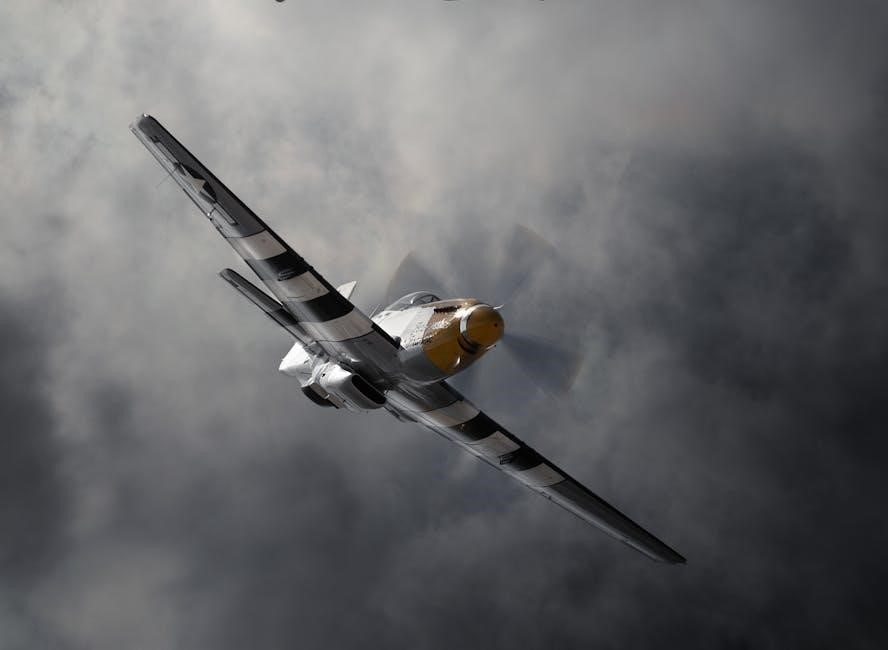
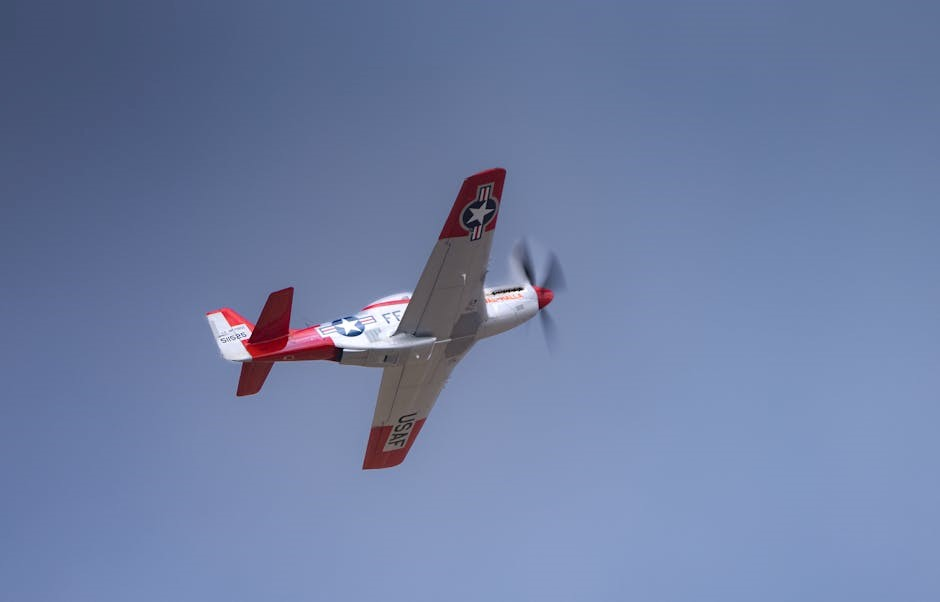
Fighter aircraft glossaries, frequently found as downloadable PDFs, meticulously define their primary roles: achieving and maintaining air superiority, escorting bombers, and conducting ground attack missions. These resources detail performance characteristics like speed, maneuverability, and armament. A prime example, extensively covered in WWII aircraft documentation, is the North American P-51 Mustang.
PDF glossaries highlight the Mustang’s evolution – from early models to the definitive P-51D – noting its laminar flow wing, powerful engine, and long range. They explain how these features enabled it to effectively counter Luftwaffe fighters and provide crucial escort for Allied bombing raids. Understanding fighter terminology – such as “dogfight,” “bandits,” and “altitude” – is crucial, and glossaries provide clear definitions. Detailed schematics and specifications, often included in these PDFs, further illuminate the P-51’s design and capabilities, solidifying its place as a legendary WWII fighter.
Bomber Aircraft: Strategic & Tactical Roles
WWII aircraft glossaries, often available as comprehensive PDFs, delineate the distinct roles of bomber aircraft: strategic bombing aimed at crippling enemy industry and infrastructure, versus tactical bombing supporting ground forces. These documents detail bomb load capacities, range, and defensive armament. Glossaries explain terms like “bomb sight,” “flak,” and “formation flying,” essential for understanding bomber operations.
PDF resources categorize bombers – heavy (B-17 Flying Fortress), medium (B-25 Mitchell), and light (A-20 Havoc) – outlining their specific missions. They clarify the difference between level bombing and dive bombing techniques. Understanding the challenges faced by bomber crews – navigating over enemy territory, enduring anti-aircraft fire, and maintaining formation – is enhanced by glossary explanations. Detailed diagrams and specifications within these PDFs illustrate bomber designs and operational capabilities, providing a complete overview of these vital WWII assets.
Transport Aircraft: Logistics & Personnel Movement
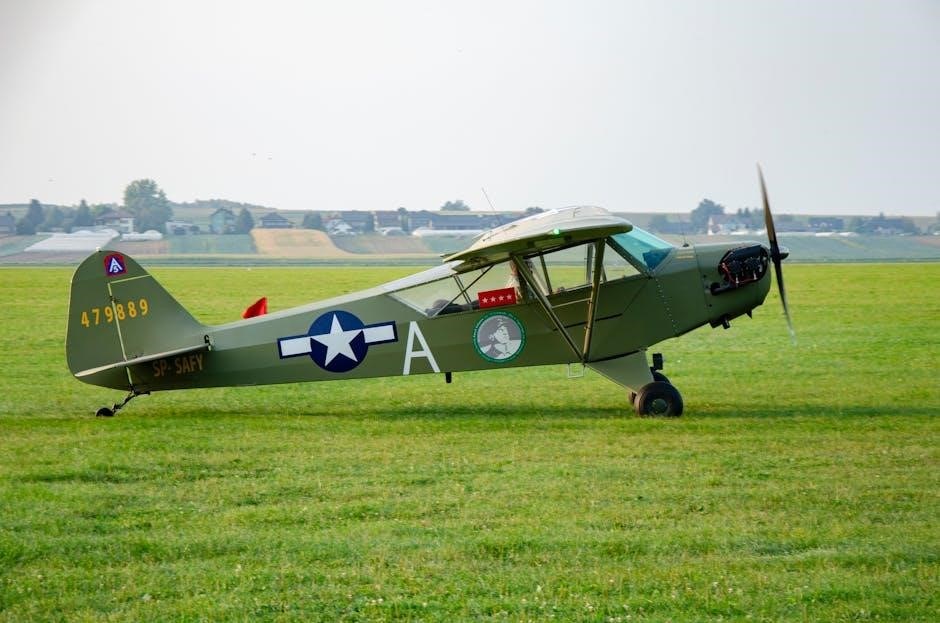
WWII aircraft glossaries, frequently found as downloadable PDFs, highlight the crucial, yet often overlooked, role of transport aircraft. These resources detail how planes like the Douglas C-47 Skytrain facilitated the massive logistical undertaking of supplying troops and materials across vast distances. Glossaries define terms like “airlift,” “cargo capacity,” and “paratroop operations,” essential for understanding transport roles.
PDF guides explain how transport aircraft weren’t solely for cargo; they also moved personnel – reinforcements, medical staff, and even VIPs. They outline the modifications made to aircraft for specific transport tasks, such as installing litters for medical evacuations. Understanding the challenges of operating transports in combat zones – vulnerability to enemy fire and the need for secure landing zones – is clarified through glossary definitions. These documents showcase the vital contribution of transport aircraft to overall WWII strategy and success.
Essential WWII Aviation Terminology
WWII aircraft glossaries, often in PDF format, define “avionics” – a blend of aviation and electronics – and explain crucial navigation terms and vernacular.
Avionics: The Foundation of Aircraft Electronics
The term “avionics” itself, a portmanteau of “aviation” and “electronics,” encapsulates the rapidly evolving suite of electronic systems integral to WWII aircraft operation. Early WWII avionics were rudimentary compared to modern standards, yet fundamentally crucial; PDF glossaries dedicated to WWII aircraft detail these foundational technologies, explaining their impact on navigation, communication, and even basic flight control.
These systems included early forms of radio communication, enabling vital coordination between aircraft and ground control. Instrument landing systems, though primitive, began to emerge, aiding pilots in adverse weather conditions. Bombardiers relied on early rangefinders and targeting systems – all considered part of the burgeoning field of avionics. Understanding these systems, as outlined in specialized WWII aircraft glossaries, provides insight into the technological limitations and innovative solutions of the era. The development of these electronic components laid the groundwork for post-war advancements.
Navigation Terms & Vernacular
WWII aircraft navigation relied heavily on a specialized lexicon, often blending formal terminology with informal, practical vernacular. Comprehensive WWII aircraft glossaries, frequently available as PDFs, meticulously list and explain these terms. Pilots needed to understand concepts like “dead reckoning,” calculating position based on airspeed, heading, and time, alongside colloquialisms developed within flying units.
Terms related to map reading, compass usage, and celestial navigation were essential. “Bearing,” “heading,” and “drift” were commonplace, but so were less formal expressions for wind conditions or landmark identification. Language barriers and the need for concise communication fostered unique aviation vocabulary. PDF resources highlight how these navigation terms evolved, reflecting the challenges of flying long distances with limited technological aids. Understanding this vernacular provides a deeper appreciation for the skill and ingenuity of WWII navigators.
Aircraft Markings & Camouflage (1941 Scheme)
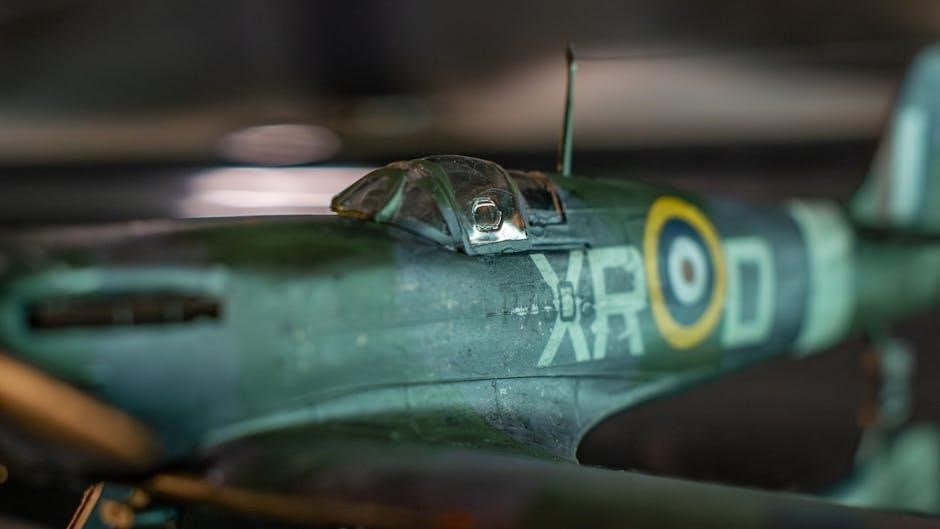
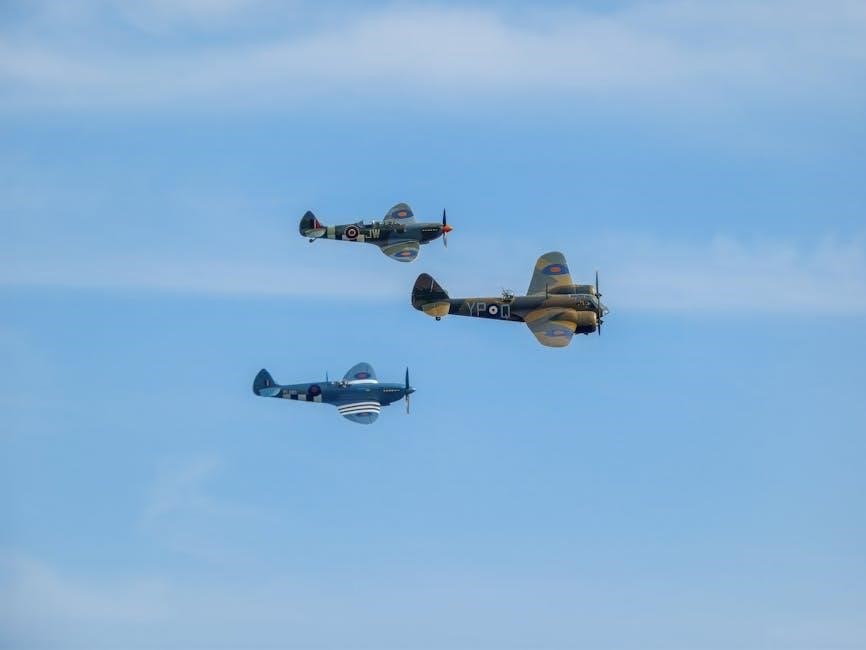
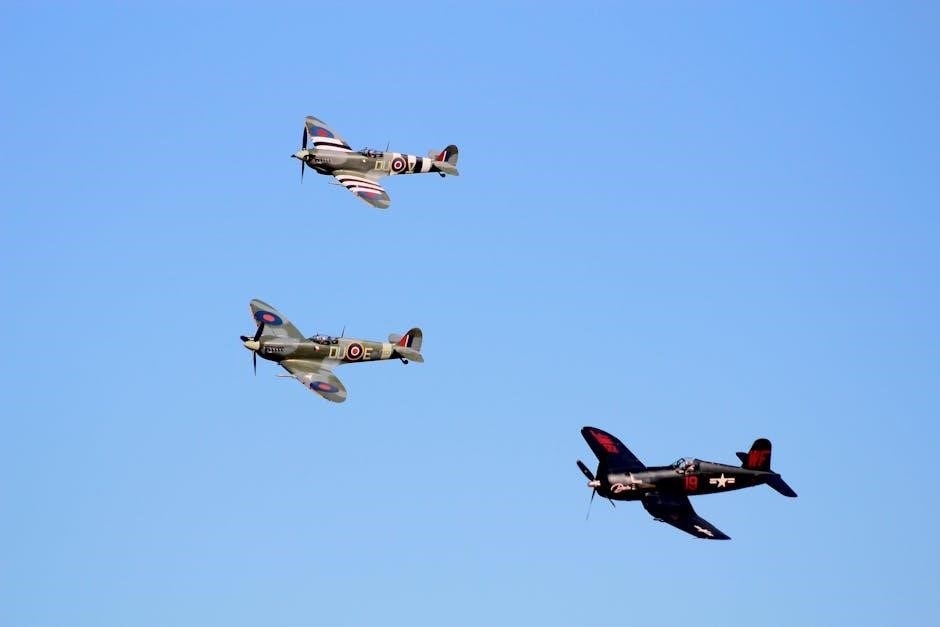
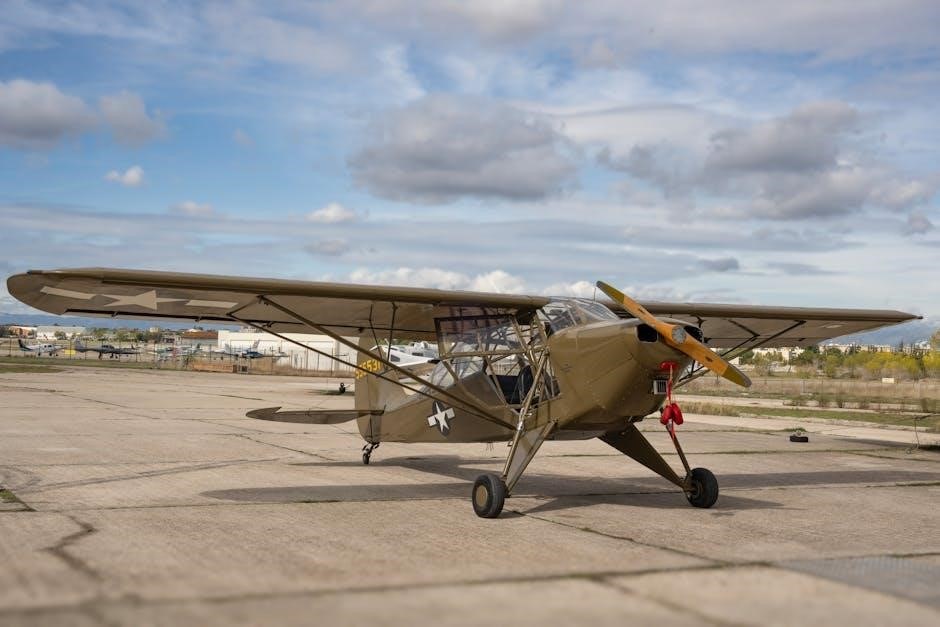
WWII aircraft camouflage and markings were crucial for identification and deception, detailed within specialized glossaries often found as PDF documents. The 1941 scheme, a common standard, involved specific paint applications and insignia placements. Glossaries illustrate how many WWII aircraft were painted according to this standard, with details regarding the absence of insignias in certain instances.
PDF guides often depict the precise location of markings, such as the “7-Dl” figures positioned on both sides of the fin. These resources clarify variations based on aircraft type and operational theater. Understanding these markings is vital for aircraft recognition and historical accuracy. Camouflage patterns aimed to blend aircraft with their environment, evolving throughout the war. Detailed PDFs provide visual references and explanations of these schemes, aiding in identification and model building.
Specific Aircraft Designations & Nomenclature
PDF glossaries decode complex aircraft naming conventions, like the Yak-701 example, and explain the differing designation systems used by the US, British, and Germans.
Understanding Model Numbers (Yak-701 Example)
Decoding aircraft model numbers, often found within WWII aircraft glossaries in PDF format, reveals a structured system. The Yak-701 serves as a compelling illustration of Soviet designation practices. Typically, the initial “Yak” identifies the design bureau – in this case, Yakovlev. Subsequent numbers denote the sequence of designs originating from that bureau.
However, the system isn’t always linear. Variations, experimental versions, or significant modifications receive new numerical designations, even if they build upon a prior model. The “701” signifies a specific iteration, potentially indicating a substantial alteration or a test variant not reaching mass production. PDF resources dedicated to WWII aircraft often dissect these nuances, providing detailed explanations of each digit’s significance.
Understanding these designations is crucial for researchers and enthusiasts, allowing for precise identification and differentiation between similar aircraft types; Glossaries help navigate the complexities, offering clarity on the evolution of aircraft designs throughout the war.
Designation Systems: US, British & German
WWII aircraft designation systems differed significantly between nations, a point thoroughly covered in detailed PDF glossaries. The US employed a system based on mission type followed by a number – P for Pursuit (fighter), B for Bomber, C for Cargo. Subsequent numbers indicated the model series (e.g., P-51). British designations used a combination of letters denoting role and manufacturer, like Spitfire or Hurricane.
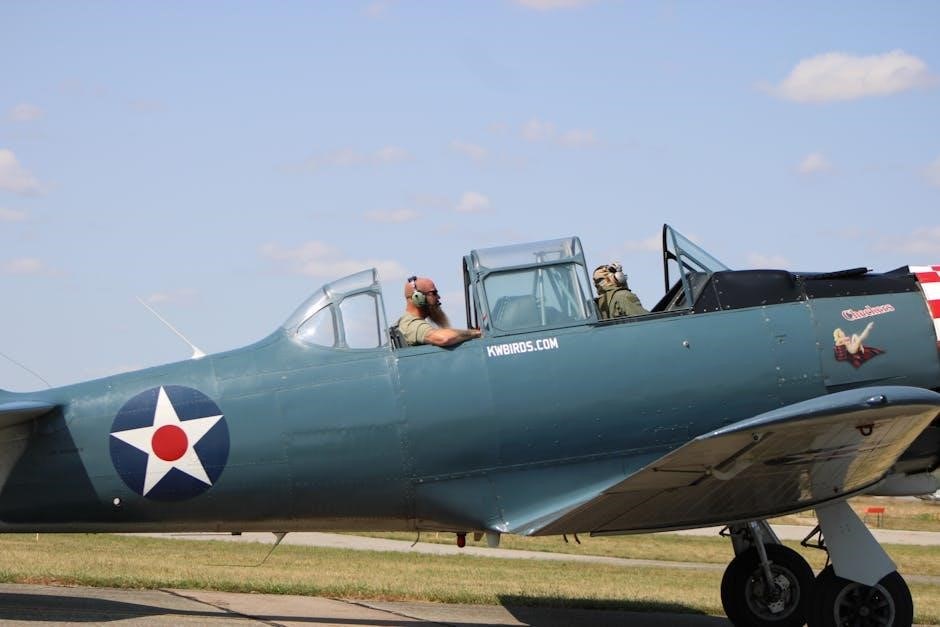
German systems were more complex, utilizing a “Rl” prefix followed by a number indicating the type, then a further number for the variant. PDF guides often include charts mapping these systems. Understanding these differences is vital when consulting historical documents or aircraft glossaries.
These varied approaches reflect each nation’s unique development and operational philosophies. Comprehensive glossaries, often available as PDFs, provide essential context for interpreting these designations accurately, aiding in research and identification.
Operational & Personnel Terminology
PDF glossaries define crucial terms like “Deadhead” – crew flying as passengers – and combat jargon, essential for understanding WWII aviation operations.
Deadhead: Crew Member Status
Within WWII aviation, the term “Deadhead” held a specific meaning, meticulously detailed in numerous aircraft glossaries and PDF resources. It denoted a crew member – pilot, navigator, or other flight personnel – who was on duty, technically assigned to a flight, but traveling as a passenger.
This wasn’t leisure travel; rather, it signified repositioning for subsequent assignments. A deadheading crew member might be returning home after completing a tour, transferring to a new base, or traveling to pick up an aircraft. They were still considered ‘on duty’ and subject to military regulations, but weren’t actively participating in the operation of the aircraft during that specific flight.
Understanding this term is crucial when studying operational logs or personal accounts from the era, as it clarifies the presence of personnel aboard an aircraft who weren’t directly involved in piloting or navigating it. PDF guides dedicated to WWII terminology consistently define and contextualize “Deadhead” within the broader framework of military aviation logistics.
Aces & Combat Terminology
WWII combat aviation spawned a unique lexicon, extensively documented in specialized glossaries and readily available as PDF resources. Central to this vocabulary was the designation of “Ace,” referring to a fighter pilot credited with shooting down five or more enemy aircraft. This status carried significant prestige and recognition.
Beyond “Ace,” numerous terms described aerial engagements: “bounce” signified a surprise attack, “dogfight” a close-range aerial battle, and “flak” the anti-aircraft fire. Understanding these terms is vital for interpreting historical accounts and combat reports. PDF guides often include detailed explanations of these phrases, alongside descriptions of aircraft maneuvers and tactical doctrines.
These glossaries also clarify the nuances of reporting aerial victories, acknowledging the challenges of confirmation and the varying criteria used by different air forces. Studying these terms provides a deeper appreciation for the complexities and dangers faced by WWII fighter pilots.
Resources for Further Study
Explore detailed WWII aircraft glossaries in PDF format, alongside historical accounts like “Eighth Air Force Aces,” and online databases for deeper insights.
PDF Resources & Online Databases
Numerous PDF resources offer comprehensive WWII aircraft glossaries, detailing everything from airplane mechanics to specific model designations. These downloadable guides frequently include detailed schematics, historical context, and explanations of crucial aviation terminology. Searching for “WWII Aircraft Glossary PDF” yields a wealth of information, often covering aircraft like the North American P-51 Mustang and experimental designs such as the Yak-701.
Beyond PDFs, several online databases provide invaluable resources. These platforms often feature interactive diagrams, searchable databases of aircraft specifications, and forums where enthusiasts share knowledge. Websites dedicated to WWII aviation history frequently host glossaries and terminology guides, allowing users to quickly understand complex concepts. Accessing these resources is crucial for anyone seeking a deeper understanding of the era’s aircraft and the language surrounding them, aiding in accurate interpretation of historical documents and technical manuals.
Books & Historical Accounts (Eighth Air Force Aces)
Complementing PDF resources and online databases, historical accounts and dedicated books provide invaluable context for understanding WWII aircraft terminology. Publications like “America’s Top WWII Aces in their Own Words: Eighth Air Force” (MBI Publishing, 2001, 196 pages) offer firsthand perspectives, often utilizing authentic aviation vernacular. These narratives immerse readers in the language used by pilots and ground crews.
While not strictly glossaries, these accounts demonstrate terminology in practical application, enriching comprehension beyond simple definitions. Examining pilot memoirs and operational reports reveals nuanced usage of terms related to avionics, navigation, and combat situations. Understanding the context in which these terms were employed enhances appreciation for the complexities of WWII aviation. Supplementing technical glossaries with such historical narratives provides a holistic understanding of the era’s aircraft and the individuals who flew them.
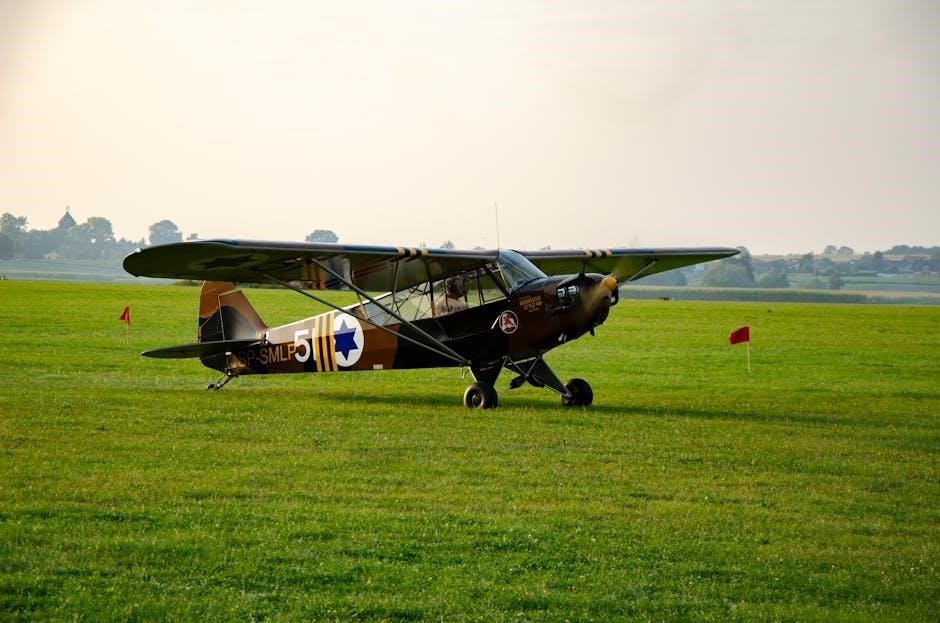
Post-War Aviation Development
Rapid advancements in aviation technology followed WWII, building upon wartime innovations; however, understanding the foundational glossary remains crucial for historical context.
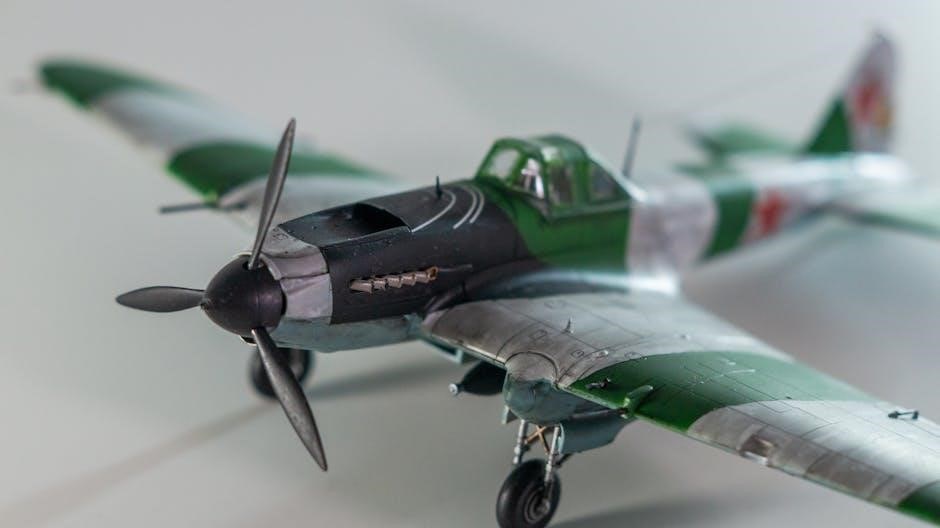
The Impact of WWII on Aviation Technology
World War II served as an unprecedented catalyst for aviation technology, dramatically accelerating development across all facets of aircraft design, manufacturing, and operational capabilities. The urgent demands of aerial warfare spurred innovations in engine power – transitioning from radial to more powerful and efficient inline and jet engines – and aerodynamic understanding, leading to sleeker, faster aircraft.
Crucially, the war fostered significant advancements in avionics, the electronic systems vital for navigation and communication, a field defined by the merging of ‘aviation’ and ‘electronics’. The need for precise bombing and effective radar systems drove the refinement of these technologies. Post-war, these WWII-era advancements formed the bedrock for the jet age and the sophisticated aircraft we know today.
Even the study of WWII aircraft, aided by detailed glossaries and resources like PDF guides detailing aircraft like the P-51 Mustang, directly informs modern aviation engineering and historical analysis, demonstrating the enduring legacy of this pivotal period.