
texas fishing guide license
Texas Fishing Guide License: A Comprehensive Overview (Updated 12/21/2025)
Navigating Texas fishing regulations requires understanding licensing. Anyone 17 or older generally needs a valid license to legally fish in public waters across the Lone Star State.
Who Needs a Texas Fishing License?
Generally, anyone aged 17 and over is legally required to possess a valid Texas fishing license to engage in fishing activities within the state’s public waters. This requirement applies universally, encompassing both Texas residents and non-residents alike, regardless of whether they are fishing from the shoreline, a boat, or any other location within designated public fishing areas.
The necessity of a license extends to all methods of taking fish, including angling, netting, and the use of traps. It’s crucial to understand that this rule is firmly in place to support the conservation efforts and responsible management of Texas’ diverse aquatic resources.
However, specific exemptions exist, offering relief to certain groups. These exemptions are detailed in subsequent sections, covering individuals such as children under 17, active military personnel, and veterans. Failing to comply with licensing requirements can lead to penalties, underscoring the importance of understanding and adhering to these regulations before casting a line.

Age and Residency Requirements
The primary age criterion for requiring a Texas fishing license is 17 years old. Individuals under the age of 17 are exempt from license requirements, allowing them to fish freely in public waters. Residency status significantly impacts the type of license needed and associated costs.
To qualify as a Texas resident for licensing purposes, individuals must demonstrate a genuine connection to the state. Acceptable proof of residency includes a current Texas homestead property tax statement, recent utility bills spanning the last six months, or recent paychecks reflecting Texas employment over the same period.
Non-residents, those lacking established Texas residency, are required to obtain a non-resident fishing license. These licenses typically carry a higher fee compared to resident licenses. Accurate residency determination is vital, as misrepresentation can lead to legal repercussions. The Texas Parks and Wildlife Department provides detailed guidelines on establishing residency for licensing purposes.
Types of Texas Fishing Licenses Available
Texas offers a diverse range of fishing licenses to cater to various angling needs and durations. The most common is the Annual Resident Fishing License, providing year-long access to fishing privileges for Texas residents. A Non-Resident Annual Fishing License is available for those visiting or residing temporarily in Texas.
Short-term options include 7-Day Non-Resident Fishing Licenses, ideal for tourists, and 30-Day Non-Resident Fishing Licenses for extended stays. For anglers specifically targeting saltwater species, a Saltwater Fishing Enhancement Stamp is often required in addition to the base license.
A Freshwater Fishing License grants access to inland lakes, rivers, and streams. Combination licenses, covering both freshwater and saltwater fishing, offer convenience and potential cost savings. Furthermore, Texas provides options for specific gear types, such as archery-only licenses. Lifetime licenses are also available, representing a long-term investment for frequent anglers, offering a one-time fee for perpetual fishing rights.
Freshwater vs. Saltwater Licenses: Understanding the Difference
Texas distinguishes between freshwater and saltwater fishing licenses due to the differing ecosystems and fish populations. A Freshwater Fishing License is required for fishing in inland bodies of water – rivers, lakes, streams, and ponds – and covers species like bass, catfish, and crappie.
Conversely, a Saltwater Fishing License is necessary for fishing in the Gulf of Mexico and its bays, estuaries, and coastal waters. This license targets species such as redfish, speckled trout, and flounder. Often, a Saltwater Fishing Enhancement Stamp is also required alongside the base saltwater license, contributing to conservation efforts.
A combination license provides access to both freshwater and saltwater fishing locations, offering convenience for anglers who enjoy both environments. It’s crucial to understand these distinctions, as fishing in the wrong zone with an incorrect license can result in penalties. The specific regulations and species covered under each license are detailed in the Texas Parks and Wildlife Department’s annual Outdoor Annual guide.
Cost of Texas Fishing Licenses (2025 Rates)
For 2025, the cost of a Texas Freshwater Fishing License for residents is approximately $30, while non-residents pay around $55. A Saltwater Fishing License for residents is priced at roughly $30, with non-residents facing a fee of about $55. The All-Water License, granting access to both freshwater and saltwater, costs residents approximately $55 and non-residents around $85.
Adding a Saltwater Fishing Enhancement Stamp to a saltwater license costs around $10. Various license packages are available, including options for specific durations like one-day, five-day, or annual licenses. Senior citizens (65+) and individuals with disabilities may qualify for reduced rates.
These prices are subject to change, so it’s always best to verify the current rates on the Texas Parks and Wildlife Department’s official website before purchasing. Additional fees may apply for certain endorsements or privileges. Remember that license fees contribute directly to the conservation and management of Texas’s valuable fisheries resources.
Where to Purchase a Texas Fishing License
Obtaining a Texas fishing license is convenient, offering multiple purchase avenues. You can readily buy licenses online through the Texas Parks and Wildlife Department (TPWD) website, a fast and efficient option. Alternatively, numerous retail locations throughout Texas sell fishing licenses, including authorized sporting goods stores, bait and tackle shops, and some convenience stores.
TPWD also partners with county tax assessor-collector offices, providing another accessible purchase point. When buying in person, ensure you have the necessary identification and residency documentation, if applicable. The TPWD website features a store locator to help you find the nearest authorized retailer.
Mobile app options are also available, allowing for digital license storage. Purchasing a license ensures compliance with state regulations and supports conservation efforts. Always carry your valid license while fishing and be prepared to present it to a game warden upon request.
Online Purchase Options
The Texas Parks and Wildlife Department (TPWD) website provides a streamlined online platform for purchasing fishing licenses. This is often the quickest and most convenient method, available 24/7. New users will need to create an account, providing necessary personal information and residency details. Returning customers can simply log in to their existing accounts.
The online system accepts major credit and debit cards as payment. Once purchased, licenses are typically delivered digitally, allowing immediate access and storage on your mobile device. You can also print a temporary copy until your physical license arrives by mail. The TPWD website offers detailed instructions and FAQs to guide you through the process.
Ensure your information is accurate to avoid delays or issues with your license. Online purchase eliminates the need to visit a physical retail location, saving time and effort. It’s a user-friendly option for both residents and non-residents alike.
Retail Locations for License Purchase
For those preferring a more traditional approach, Texas fishing licenses are readily available at numerous retail locations throughout the state. Authorized retailers include many bait and tackle shops, sporting goods stores like Academy Sports + Outdoors, and select convenience stores. TPWD maintains an online locator tool on their website to help anglers find the nearest authorized vendor.
When purchasing in person, be prepared to provide the necessary identification and residency documentation, such as a Texas driver’s license or a recent utility bill. Retailers typically process license purchases immediately, providing a physical license card upon completion. Some locations may also offer assistance with understanding the various license options and regulations.

This method is particularly useful for first-time buyers who may have questions or require guidance. It also provides an opportunity to support local businesses while ensuring compliance with Texas fishing laws. Always verify the retailer is officially authorized by TPWD before making a purchase.
License Exemptions: Who Doesn’t Need a License?
Texas law provides several exemptions from the fishing license requirement, offering opportunities for certain individuals to enjoy angling without needing to purchase a license. Notably, all persons under the age of 17, regardless of residency status, are exempt. This encourages youth participation in the sport and provides family-friendly recreational opportunities.
Furthermore, active duty military personnel stationed in Texas, as well as eligible veterans, may qualify for license exemptions or reduced fees. Specific requirements and documentation vary, so consulting the TPWD website is crucial. Individuals fishing solely on their private property do not require a license, provided they own the land.
Certain circumstances, like fishing in a public fish hatchery or participating in a TPWD-sponsored event, may also waive the license requirement. It’s essential to verify exemption eligibility before fishing to avoid potential penalties. Always carry appropriate identification to demonstrate qualification if requested by a game warden.
Children Under 17
A significant benefit for families enjoying Texas’s rich angling opportunities is that all individuals under the age of 17 are completely exempt from the state’s fishing license requirements. This applies equally to both Texas residents and non-residents, fostering a welcoming environment for young anglers to learn and appreciate the sport.
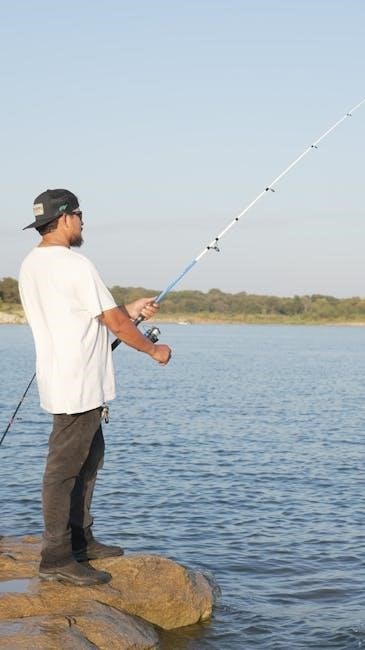
This exemption encourages parental involvement and allows children to participate in fishing activities without the added cost or administrative burden of obtaining a license; It’s a fantastic way to introduce the next generation to conservation and responsible angling practices. However, while a license isn’t required, all standard fishing regulations – including bag limits and size restrictions – still apply to children under 17.
Adults supervising children are responsible for ensuring compliance with these regulations. This exemption aims to make fishing accessible and enjoyable for young people, promoting a lifelong appreciation for Texas’s natural resources.
Military Personnel and Veterans
Texas demonstrates strong support for its military personnel and veterans through specific provisions related to fishing licenses. Active duty military personnel stationed in Texas, as well as honorably discharged veterans, may qualify for reduced-fee or complimentary fishing licenses, recognizing their service and sacrifice.
Typically, these individuals are eligible for a resident fishing license at the resident rate, regardless of their actual residency status, offering significant cost savings. Documentation verifying their military status or veteran status – such as a military ID or DD-214 form – is generally required when applying for the license.
The specific requirements and available options can vary, so it’s crucial to consult the Texas Parks and Wildlife Department (TPWD) website or contact a TPWD office directly for the most up-to-date information. This is a valuable benefit that allows those who have served to enjoy the state’s abundant fishing opportunities.
Lifetime Fishing Licenses: A Long-Term Investment
For avid anglers who consistently fish Texas waters, a lifetime fishing license represents a financially sound, long-term investment. These licenses eliminate the need for annual renewals, offering convenience and potential cost savings over many years of fishing activity. While the initial cost is higher than annual licenses, the long-term benefits can be substantial.
Texas offers various lifetime license options, including those for freshwater and saltwater fishing, as well as combination licenses covering both. These licenses are typically available to Texas residents and are transferable only upon the death of the license holder, ensuring its value remains within the family.
Purchasing a lifetime license simplifies the fishing experience, removing the worry of expiration dates and renewal processes. It’s a particularly attractive option for individuals planning to reside in Texas for an extended period and frequently participate in angling activities, providing unrestricted access to the state’s diverse fishing resources.

Texas Fishing Regulations and Laws

Adhering to Texas fishing regulations and laws is crucial for responsible angling and conservation of the state’s aquatic resources. These regulations are established by the Texas Parks and Wildlife Department (TPWD) and are subject to change, so staying informed is essential. Key aspects include adherence to established bag limits, which specify the maximum number of fish of a particular species that can be retained.
Size restrictions are also common, dictating the minimum or maximum length of fish that can be legally harvested. These measures help protect breeding populations and ensure sustainable fisheries. Specific regulations often vary depending on the water body and species targeted, necessitating careful review of the TPWD’s Outdoor Annual publication.
Furthermore, anglers must be aware of reporting requirements for certain catches, such as large game fish or species subject to specific research programs. Violations of these regulations can result in substantial fines and penalties, emphasizing the importance of responsible fishing practices and compliance with all applicable laws.
Bag Limits and Size Restrictions
Texas implements stringent bag limits and size restrictions to ensure the sustainability of its diverse fish populations. Bag limits define the maximum number of each species an angler can legally keep daily, varying significantly based on location and fish type. For example, limits for popular species like bass, catfish, and trout differ across freshwater and saltwater environments.
Size restrictions, expressed as minimum or maximum length requirements, protect spawning-age fish and prevent overharvesting of juveniles. These regulations are crucial for maintaining healthy breeding stocks and long-term fishery health. Anglers must accurately measure their catch and immediately release any fish that do not meet the specified size criteria.
The TPWD’s Outdoor Annual provides detailed, up-to-date information on specific bag and size limits for all Texas waters. Ignoring these regulations can lead to substantial fines and contribute to the depletion of valuable fish resources, highlighting the importance of responsible angling practices.

Reporting Requirements for Certain Catches

Texas Parks and Wildlife Department (TPWD) mandates reporting for specific fish catches to monitor populations and gather crucial data for fisheries management. Primarily, this applies to certain large game fish, notably alligators gar exceeding a specified length, and tagged fish released as part of TPWD research programs.
Anglers who harvest an alligator gar over 36 inches in length are legally obligated to report the catch to TPWD. This reporting process typically involves submitting details like the length, weight, location of harvest, and angler contact information. This data aids in tracking the alligator gar population’s health and distribution.

Furthermore, if an angler catches a fish bearing a TPWD tag, reporting the tag number, date, location, and fish details is essential. This information contributes directly to ongoing research efforts, helping biologists understand fish movement, growth rates, and survival. Failure to report when required can result in penalties, emphasizing the importance of compliance.
Penalties for Fishing Without a License
Fishing in Texas without a valid license carries significant legal and financial consequences. TPWD game wardens actively enforce licensing laws, and violations can lead to substantial fines and even jail time, depending on the severity and frequency of the offense. A first-time offense typically results in a fine ranging from $50 to $500, plus court costs.
Repeat offenders face escalating penalties, potentially including fines exceeding $1,000, confiscation of fishing equipment (rods, reels, tackle, and even boats), and possible jail sentences up to 30 days. Additionally, a conviction for fishing without a license can impact future licensing eligibility, potentially leading to a suspension of fishing privileges.
Beyond financial penalties, individuals caught fishing illegally may also face civil restitution fees to compensate for damages to natural resources. It’s crucial to remember that ignorance of the law is not a valid defense; anglers are responsible for understanding and complying with all Texas fishing regulations.
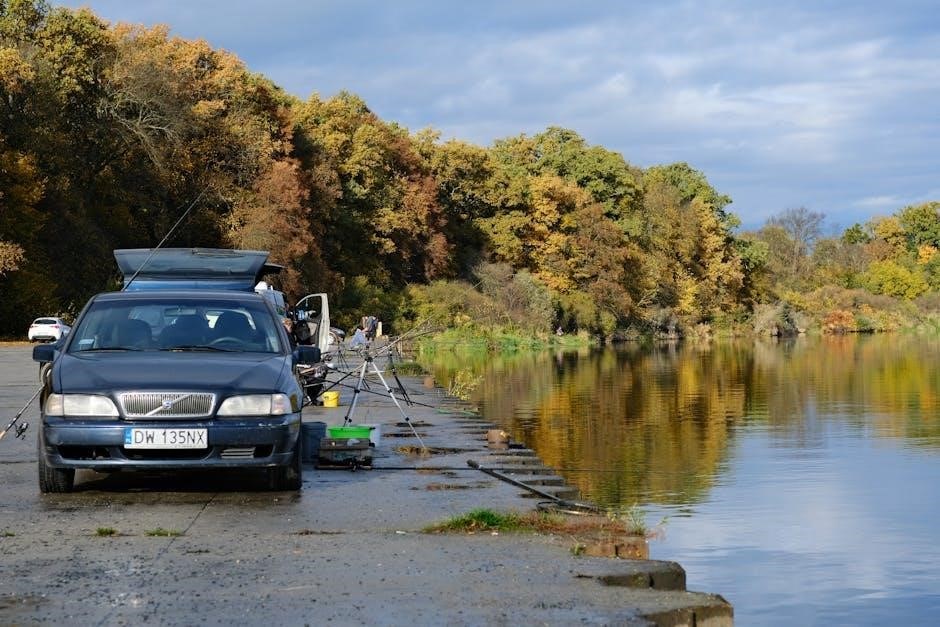
Understanding Public Fishing Waters in Texas
Texas boasts an incredible diversity of public fishing waters, ranging from expansive reservoirs and winding rivers to the vast coastline of the Gulf of Mexico. These waters are generally accessible to anyone with a valid Texas fishing license, offering diverse angling opportunities for various species.
Public waters include state parks, wildlife management areas, and many publicly owned lakes and rivers. However, access points and specific regulations can vary. It’s essential to consult the TPWD’s Texas Waterbody Survey and local park regulations before fishing in a new location.
Some areas may have specific restrictions, such as limited access, gear restrictions, or designated fishing zones. Understanding these nuances ensures a legal and enjoyable fishing experience. Private property bordering public waters is generally off-limits without explicit permission from the landowner. Always respect property boundaries and adhere to posted signage.